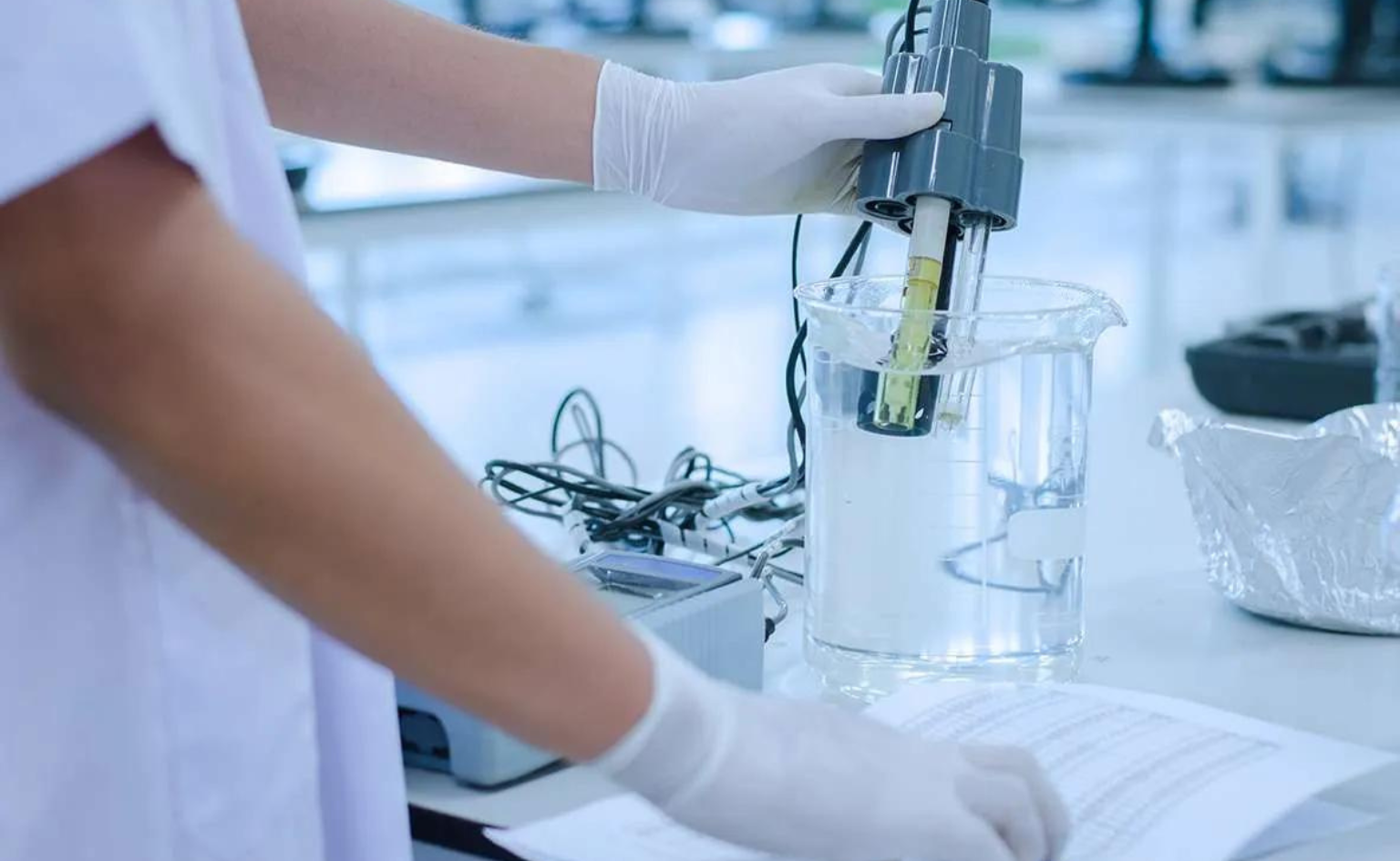
Water is one of those modern conveniences we take for granted. We turn the handle, and it flows—clear, seemingly clean, and ready to use. However, because our water travels through an intricate network of municipal pipes or groundwater aquifers before reaching our home, it is susceptible to picking up various impurities along the way.
While your local utility provider monitors water quality, they cannot control what happens once the water enters your private service line or home plumbing. Similarly, for those on private wells, the responsibility for safety falls entirely on the homeowner. Because many harmful contaminants—such as heavy metals or bacteria—are colorless, odorless, and tasteless, you cannot rely on your senses alone to judge safety.
If you are curious about what’s in your glass, local water testing is the most reliable way to gain clarity. Here are 10 signs that it is time to schedule a professional analysis.
1. Unpleasant Tastes or Odors
The most obvious indicator of a water quality issue is a sudden change in taste or smell. If your water tastes metallic, salty, or like chlorine, it is often a sign of high mineral content or chemical additives. A “rotten egg” smell typically indicates the presence of hydrogen sulfide, while a fishy or earthy odor can be a sign of organic matter or bacterial growth. If you notice these shifts, reach out for testing services to pinpoint the cause.
2. Persistent Staining on Fixtures
Take a look at your sinks, toilets, and showers. Are there recurring stains?
- Rust or brown stains: Often indicate iron or manganese.
- Blue-green stains: Frequently signify low pH levels (acidic water) that are corroding copper pipes.
- White, chalky buildup: A classic sign of hard water, which contains high levels of calcium and magnesium.
3. Persistent Skin or Hair Issues
Water quality can have a surprisingly direct impact on your personal health and hygiene. If you find that your skin feels excessively dry, itchy, or irritated after a shower, or if your hair feels brittle and dull, your water chemistry may be to blame. Hard water can prevent soaps from rinsing off completely, leaving a residue on the skin that acts as an irritant.
4. Cloudy or Discolored Water
Water should be clear. If you frequently see water that is cloudy (white or milky), brown, or yellow, it is time to investigate. While white cloudiness is often just harmless air bubbles that dissipate quickly, persistent discolored water can indicate sediment, rust, or an issue with your local groundwater supply that requires expert water concerns evaluation.
5. You Have Recently Moved
When you move into a new home, you are inheriting the previous owner’s plumbing choices and the history of the property’s water source. Whether it is a house with aging lead pipes or a private well that hasn’t been monitored in years, a “baseline” test is essential. It provides a clean slate and peace of mind knowing exactly what your family is consuming.
6. Nearby Agricultural or Industrial Activity
Geographic location plays a huge role in water purity. If your home is situated near farmland, the use of fertilizers and pesticides can lead to nitrate or chemical runoff into the groundwater. Similarly, living near industrial zones or older manufacturing sites increases the risk of synthetic chemicals migrating into your water supply. Understanding your locations context is key to knowing which contaminants to prioritize.
7. Household Members are Pregnant or Have Health Issues
Certain individuals are more vulnerable to waterborne contaminants than others. The Centers for Disease Control and Prevention (CDC) emphasizes that infants, pregnant women, and people with compromised immune systems are at a higher risk of adverse health effects from bacteria and nitrates. If your household falls into any of these categories, annual testing is a prudent health precaution.
8. You’ve Noticed a Decrease in Water Pressure
Sometimes, a drop in water pressure isn’t a plumbing leak, but a symptom of mineral buildup. Over time, hard water deposits can restrict the flow through your pipes and fixtures, effectively “clogging” your home’s infrastructure from the inside out. Professional testing can confirm if mineral content is high enough to warrant the installation of a water softening system.
9. Recent Plumbing Repairs or Flooding
If your neighborhood or property has recently experienced major infrastructure work, a pipe burst, or flooding, the water quality can be temporarily compromised. Earthquakes or heavy flooding can disrupt aquifers or stir up sediment in municipal lines. It is always a good idea to perform a check after significant environmental or structural disruptions to ensure the integrity of your supply has returned to normal.
10. Your Appliances Keep Failing
Are you replacing your dishwasher, washing machine, or water heater more frequently than the manufacturer recommends? Excessive corrosion or scale buildup are the silent killers of home appliances. By testing your water, you can determine if your water chemistry is the root cause of these premature failures, potentially saving you thousands of dollars in replacement costs.
Taking the Next Step
If you recognize any of these 10 signs, it is better to be proactive than reactive. Professional testing provides data-backed answers rather than anecdotal observations, allowing you to choose the exact filtration or treatment solution that fits your home’s needs.
For many, the first step into the world of water safety can feel daunting. If you have questions about the process, checking a comprehensive FAQ list is a great way to start. Remember, the goal of testing is not to find something “wrong” with your water, but to ensure that what you use every day meets the safety and quality standards your family deserves.
Whether you suspect a chemical imbalance or simply want to establish a health baseline for your property, don’t wait for the symptoms to worsen. Knowledge is the foundation of a safe home.
Ready to take control of your water quality? Contact us today to speak with our experts or browse our blog for more tips on how to keep your home’s water clean, safe, and efficient.