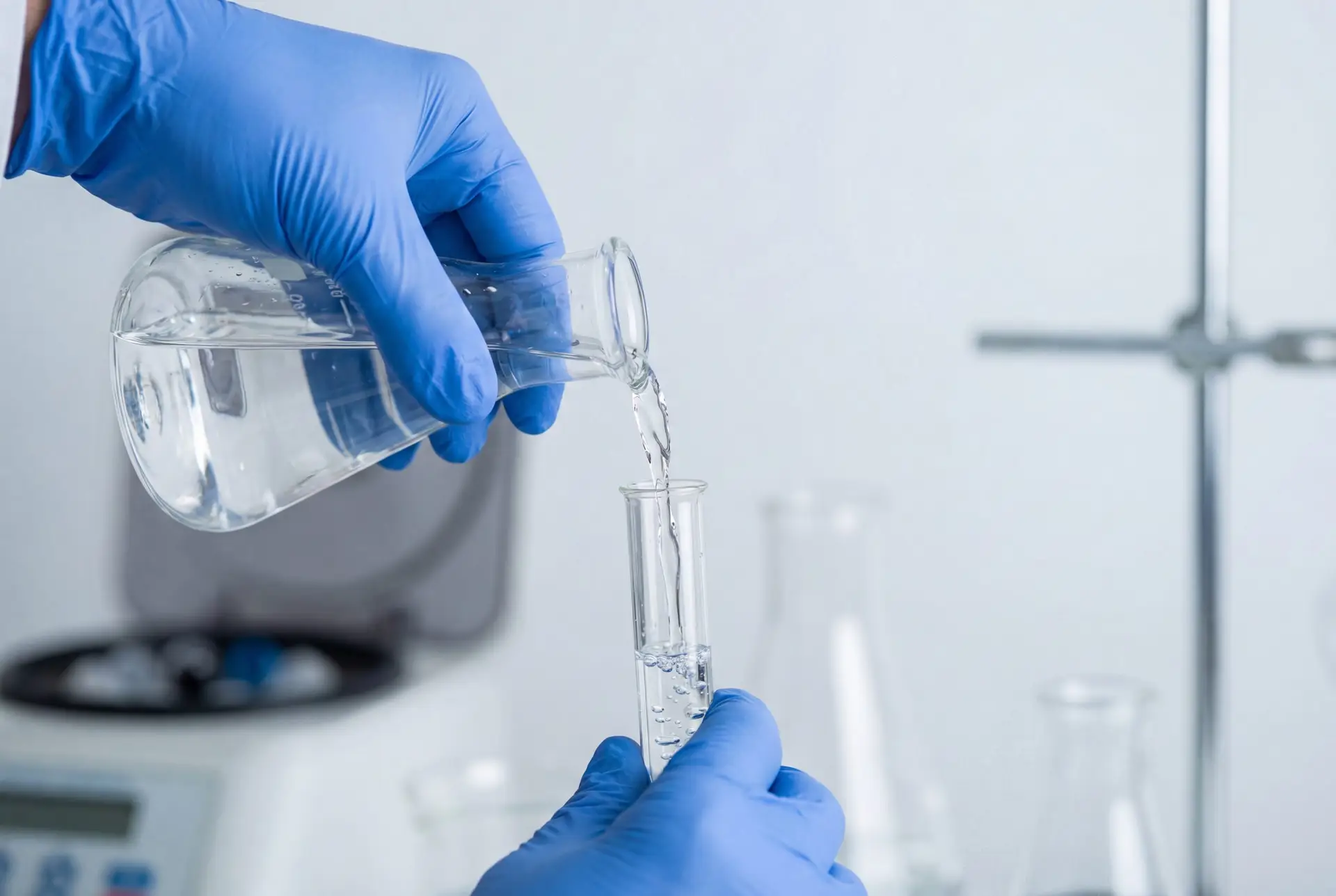
Access to clean and safe drinking water is something most people take for granted, especially in urban areas where municipal water systems are regulated and monitored. Residential water testing in NYC is essential for evaluating the quality of water in homes, identifying contaminants, and ensuring it is safe for consumption. However, the water that reaches your tap can be influenced by many factors beyond the treatment plant, including aging infrastructure, building plumbing systems, and environmental conditions. As a result, even water that leaves a treatment facility in compliance with safety standards can change in quality before it reaches your home or building.
For homeowners, tenants, landlords, and property managers, recognizing the signs that indicate potential water quality issues is essential. In many cases, these signs are subtle and develop gradually, making them easy to overlook. Discoloration, unusual taste, or odor changes are often the first indicators that something may be affecting the water supply. In other situations, there may be no visible warning signs at all, which is why professional water testing plays a critical role in verifying potability.
Certified water testing services use standardized sampling procedures and accredited laboratory analysis to detect a wide range of contaminants, including heavy metals, bacteria, and chemical compounds. These tests provide accurate, data-driven insights into water quality, helping individuals make informed decisions about safety and treatment. Understanding when to test your drinking water is the first step toward ensuring long-term health and confidence in your water supply.
1. Discoloration: Brown, Yellow, or Cloudy Water
One of the most noticeable signs that drinking water should be tested is discoloration. Water that appears brown, yellow, or cloudy often indicates the presence of suspended particles, sediment, or corrosion-related materials within the plumbing system. In many cases, this type of discoloration is associated with iron or manganese, which can accumulate in pipes over time and become dislodged due to changes in water flow or pressure.
In older buildings, discoloration is frequently linked to aging infrastructure. Iron pipes, for example, can corrode internally, releasing rust particles into the water supply. While iron itself may not pose a significant health risk at low concentrations, it can signal broader issues related to plumbing degradation. These conditions may also create an environment where other contaminants, including heavy metals, can be introduced into the water.
Cloudy water, sometimes described as milky or hazy, may be caused by air bubbles or fine particulate matter. While air bubbles typically dissipate quickly, persistent cloudiness may indicate the presence of dissolved solids or sediment that should be evaluated through laboratory testing. In either case, visual changes in water clarity are a strong reason to investigate further.
Professional water testing consultants collect samples from affected fixtures and submit them to certified laboratories for analysis. Laboratory testing can identify the specific substances responsible for discoloration and determine whether the water meets established potability standards. By addressing discoloration early, property owners can prevent further issues and maintain both the appearance and safety of their water supply.
2. Unusual Taste in Drinking Water
Changes in taste are another common indicator that drinking water may require testing. A metallic taste is often associated with the presence of metals such as iron, copper, or lead, which can enter water through corroded pipes or plumbing components. While some metals primarily affect taste, others—particularly lead—can pose significant health risks even at low levels, making professional testing essential.
A bitter or chemical taste may result from disinfectant byproducts or variations in municipal water treatment processes. While these changes are sometimes temporary, persistent taste issues should not be ignored. They may indicate shifts in water chemistry or the presence of substances that require further investigation.
In some cases, taste changes can also be linked to organic materials or environmental factors. For example, seasonal variations in water sources can influence the composition of drinking water, leading to noticeable differences in taste. However, without laboratory analysis, it is difficult to determine whether these changes are harmless or indicative of a larger concern.
Certified laboratories analyze water samples using advanced methods to detect metals, chemical compounds, and other potential contaminants. The results provide a clear understanding of what is affecting the taste of the water and whether corrective action is necessary. By relying on professional water analysis, individuals can move beyond guesswork and obtain accurate information about their water quality.
3. Odor: Musty, Sulfur, or Chemical Smells
Odor is one of the most immediate and noticeable indicators of potential water quality issues. Drinking water should generally be free of strong or unpleasant smells, so the presence of unusual odors often signals a need for testing. Common complaints include musty, earthy, sulfur-like, or chemical odors, each of which may point to different underlying causes.
A sulfur or “rotten egg” smell is often associated with hydrogen sulfide gas, which can result from bacterial activity in plumbing systems or water heaters. While this odor is not always harmful, it can indicate conditions that allow bacteria to thrive. Musty or earthy smells may be linked to organic materials or microbial growth, particularly in systems where water stagnation occurs.
Chemical odors, such as those resembling chlorine or industrial substances, may be related to changes in municipal water treatment or the presence of specific compounds. While chlorine is commonly used as a disinfectant, excessive levels or reactions with organic matter can produce noticeable odors.
Professional water testing services address odor concerns by collecting samples under controlled conditions and analyzing them in accredited laboratories. These laboratories can detect the presence of organic compounds, bacteria, and chemical substances that contribute to odor issues. The results help identify whether the odor is simply a nuisance or a sign of a more significant problem.
Understanding the source of odor through laboratory testing allows property owners to take appropriate action, whether that involves system maintenance, filtration, or further investigation. Addressing odor issues not only improves water quality but also restores confidence in its safety.
4. Staining on Fixtures, Laundry, or Appliances
Another important sign that drinking water should be tested is the presence of staining on sinks, bathtubs, toilets, or laundry. These stains often appear as reddish-brown, yellow, or bluish-green discoloration and are typically caused by metals such as iron, manganese, or copper. While these substances may not always pose immediate health risks, they can indicate underlying issues within the plumbing system.
Iron-related staining is one of the most common problems, particularly in older buildings or areas with high mineral content in the water supply. Over time, iron particles can accumulate and leave visible marks on surfaces. Copper, on the other hand, may produce bluish-green stains and is often associated with corrosion in pipes. These signs suggest that water chemistry may be interacting with plumbing materials in a way that affects both quality and infrastructure.
Staining can also impact appliances such as dishwashers and washing machines, reducing their efficiency and lifespan. In addition to aesthetic concerns, these issues may lead to increased maintenance costs and inconvenience for property owners.
Laboratory water testing provides a detailed analysis of the metals present in the water and their concentrations. By working with professional testing companies and certified laboratories, property owners can determine the cause of staining and evaluate whether corrective measures are needed. This may include adjusting water chemistry, installing treatment systems, or addressing plumbing issues.
5. Plumbing Corrosion and Aging Infrastructure
In many cases, water quality concerns are closely tied to the condition of a building’s plumbing system. Aging infrastructure, particularly in older cities, can contribute to corrosion that affects both water quality and safety. Pipes made from materials such as iron, copper, or lead may degrade over time, releasing particles and dissolved metals into the water supply.
Corrosion is influenced by several factors, including water pH, temperature, and mineral content. When water is more acidic or has certain chemical characteristics, it can accelerate the breakdown of metal surfaces. This process not only introduces contaminants into the water but can also weaken the structural integrity of pipes, increasing the risk of leaks or failures.
One of the challenges with corrosion is that it is not always visible. While discoloration or staining may provide clues, many forms of metal contamination occur without obvious signs. This makes professional water testing essential for identifying potential risks. Certified laboratories use advanced analytical methods to detect metals at very low concentrations, providing accurate insights into water composition.
Professional testing experts often evaluate both water quality and contributing factors such as corrosion indicators. This comprehensive approach allows property owners to understand the relationship between their plumbing system and water quality. By addressing corrosion through proper testing and analysis, it is possible to maintain safer drinking water and extend the lifespan of plumbing infrastructure.
6. Concerns About Lead or Known Risk Factors
Lead contamination remains one of the most serious concerns in drinking water, particularly in properties with older plumbing systems. Even though regulations have reduced the use of lead in plumbing materials, many buildings constructed before these changes may still contain lead service lines, solder, or fixtures. Because lead is colorless, tasteless, and odorless in water, it cannot be detected without laboratory testing.
Health concerns related to lead exposure make testing especially important for households with children, pregnant individuals, or vulnerable populations. Even low levels of lead can have long-term health effects, which is why proactive testing is strongly recommended in at-risk properties.
Professional water testing companies use certified sampling procedures, such as first-draw sampling, to accurately measure lead levels at the point of use. Samples are analyzed in accredited laboratories using highly sensitive methods capable of detecting trace amounts of lead. The results provide a clear assessment of whether water meets safety guidelines and whether further action is necessary.
Conclusion
Recognizing the signs that your drinking water should be tested is essential for maintaining a safe and reliable water supply. Whether it is discoloration, unusual taste, odor, staining, or concerns about plumbing materials, these indicators should not be ignored. While some issues may appear minor, they often point to underlying conditions that require professional evaluation.
Certified water testing services provide the most accurate and reliable way to assess water quality. Through proper sampling and accredited laboratory analysis, these services identify contaminants and provide clear, actionable insights. This information allows property owners to take appropriate steps, whether that involves treatment, maintenance, or further investigation.
By understanding when and why to test your water, you can ensure that it meets potability standards and supports long-term health. Professional water analysis not only addresses immediate concerns but also provides peace of mind, knowing that your drinking water is safe and properly evaluated.