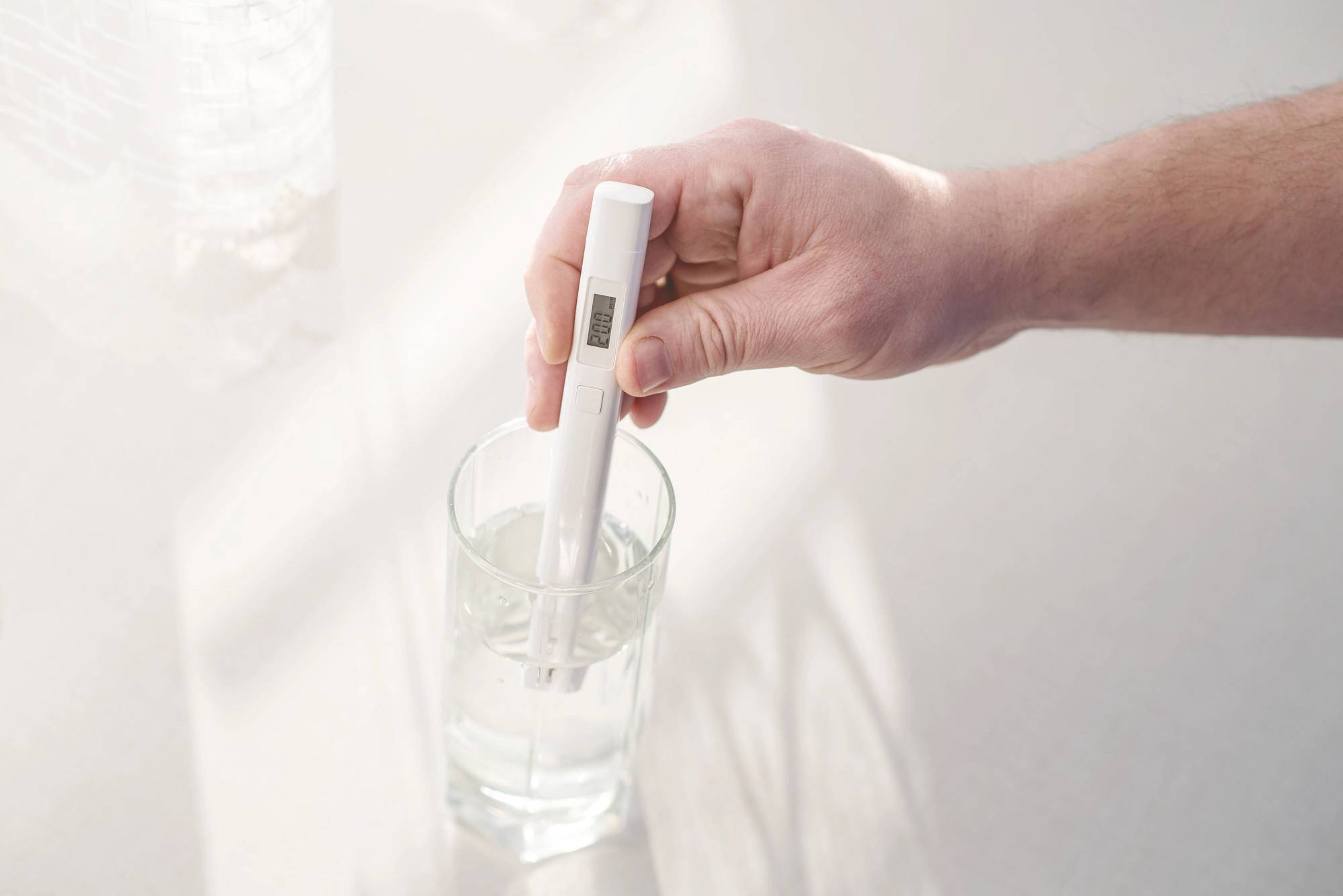
Water is the lifeblood of your home. It’s what you use to hydrate, cook, bathe, and clean. NYC water testing experts help you stay ahead of invisible threats by professionally analyzing your water for contaminants that are impossible to detect by sight, taste, or smell alone. Despite its central role in our daily lives, many homeowners take for granted that the liquid flowing from their tap is entirely safe. However, between aging municipal infrastructure and the potential for agricultural or industrial runoff in private wells, water quality can change without warning.
When you suspect a problem—or simply want peace of mind—the logical next step is professional analysis. But how do you choose a reliable facility? Not all laboratories are created equal, and finding the right one requires a bit of due diligence. Here is how to find the best water testing lab near you.
Why Professional Testing Matters
Many people rely on basic home test kits found at hardware stores. While these are excellent for getting a quick snapshot of basic parameters like pH or chlorine levels, they often lack the sensitivity required to detect dangerous contaminants like heavy metals, pesticides, or complex microbial pathogens.
Professional water testing services go beyond simple color-change strips. A certified laboratory uses advanced equipment like gas chromatography and mass spectrometry to identify substances at parts-per-billion levels. If you are noticing strange odors, unusual colors, or if you are concerned about specific water concerns such as lead or arsenic, a professional lab is the only way to get actionable data.
Step 1: Look for Accreditation
The most critical factor in choosing a lab is certification. In the United States, laboratories are typically certified by state environmental agencies or the Environmental Protection Agency (EPA).
Accreditation is your guarantee that the lab follows strict quality control procedures. It ensures that the scientists performing the analysis are properly trained, that their equipment is calibrated, and that their methods meet established scientific standards.
When evaluating a potential facility, don’t be afraid to ask: “Are you state-certified?” If they cannot provide proof of accreditation, take your business elsewhere. You can often find a list of certified labs through your state’s Department of Environmental Protection (or equivalent agency).
Step 2: Prioritize Local Expertise
While you might find large, national testing chains, there are significant advantages to using a local water testing provider.
Local labs are often deeply familiar with the geological makeup and common contamination issues unique to your region. For instance, a lab in a coastal area may have specialized protocols for testing for saltwater intrusion, while a lab in an agricultural region might have specific experience in detecting nitrogen-based runoff.
Additionally, water samples can degrade over time. Some chemical and biological contaminants are unstable; the faster a sample can get from your tap to the lab, the more accurate the results will be. Finding a facility that is geographically close to you minimizes transit time and ensures your results are as precise as possible. You can explore our locations page to see if there is a certified partner in your immediate area.
Step 3: Understand What You Are Testing For
Before you book a test, you need to decide what you are looking for. Are you on a private well? Is your home serviced by a city water utility?
- Private Wells: If you rely on well water, you are solely responsible for its safety. The EPA generally recommends testing your well water at least once a year for bacteria, nitrates, and any other contaminants of local concern.
- City Water: Even if you pay a municipal utility for water, their responsibility usually ends at the street. Lead and copper can leach into your water from old pipes inside your own home.
If you aren’t sure where to start, check out our FAQ section for guidance on common testing panels. A good lab will help you customize your testing package to address your specific environment rather than trying to upsell you on tests you don’t need.
Step 4: Evaluate the Reporting Process
Data is only useful if it is understandable. When you receive your lab results, they shouldn’t just be a spreadsheet filled with confusing chemical formulas and scientific jargon.
The best labs provide clear, interpretive reports. They should explain:
- What was tested.
- What the findings are.
- How those findings compare to EPA maximum contaminant levels (MCLs).
- What those levels mean for your household’s health.
If you don’t understand the results, the lab should offer someone to walk you through them. A professional facility views their client as a partner in water safety, not just a transaction.
How to Get Started
Taking control of your water quality is a proactive step toward protecting your family’s health. Whether you are dealing with unexplained scale buildup in your pipes or you’ve recently moved into a new home, professional testing is the best way to move from uncertainty to clarity.
If you are ready to take the next step, visit our blog to learn more about the common signs of water quality issues or head over to our contact page to speak with a representative about your specific needs. You can also view our full range of services at https://watertestinglabsnearme.com/ to see why homeowners nationwide trust us for their water analysis needs.
Final Thoughts
Your water is the foundation of your home environment. By choosing a certified, local laboratory, you are ensuring that the answers you get are accurate and reliable. Don’t settle for guesswork when it comes to your family’s wellbeing. Invest in professional testing today and enjoy the peace of mind that comes with knowing exactly what is in your glass.