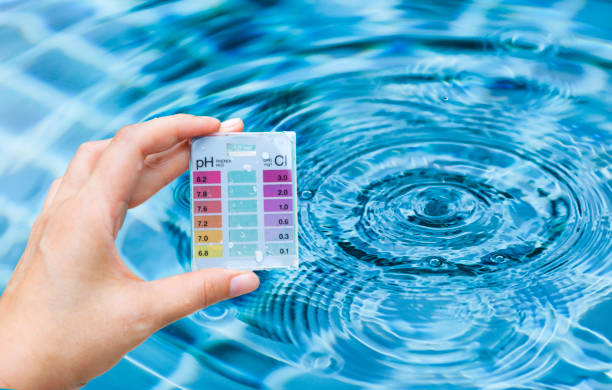
Every day, you rely on the water from your kitchen faucet for various tasks, whether it’s boiling water for tea, washing fresh produce, or simply quenching your thirst. That’s why Certified E. coli water testing in Bronx is crucial; it detects the presence of harmful E. coli bacteria to ensure your drinking water is safe and uncontaminated. Understanding who ensures that your water meets safety standards is essential for your health and peace of mind.
The answer depends entirely on the source of your water. There is a profound difference between the regulatory requirements for municipal water systems and the personal responsibility that comes with owning a private well. Understanding these differences is the first step toward ensuring your family’s long-term health. If you are ever in doubt about what is in your glass, utilizing local water testing is the best way to get a clear, factual answer.
Municipal Water: The “Regulated” Standard
If you live in a town or city, your water is likely supplied by a municipal utility. These entities are heavily regulated by the Environmental Protection Agency (EPA) under the Safe Drinking Water Act.
How Municipal Testing Works
Municipalities are required to monitor water quality rigorously. They test for a wide range of contaminants, including bacteria, nitrates, lead, copper, and various organic chemicals. They must also produce an annual Consumer Confidence Report (CCR), which informs customers about the quality of the water delivered to the community.
The Hidden Gap
The primary limitation of municipal testing is its geography. Utilities test the water as it moves through the treatment plant and at designated points within the public distribution system. However, they cannot account for the “last mile” of your plumbing.
Once water enters your property, it travels through your own service lines and internal household pipes. If those pipes are older, they may contain lead or copper components that can leach into your water, especially if the water is slightly acidic. The utility is not responsible for the quality of the water after it passes the water meter. For this reason, even those on city water should occasionally seek out professional testing services to ensure that their home-specific plumbing isn’t compromising the water’s safety.
Well Water: The “Self-Managed” Reality
If you get your water from a private well, the regulatory framework is virtually non-existent. You are, in effect, your own water utility manager.
The Burden of Responsibility
Unlike city systems, there is no government agency coming to your door to check your well water. Once a well is drilled, the responsibility for maintaining its integrity and testing its output falls squarely on the homeowner. Private wells are not subject to the Safe Drinking Water Act, meaning there is no mandate to test for contaminants unless you choose to do so.
Why Frequent Testing is Critical
Groundwater is susceptible to contamination from various sources, including:
- Agricultural Runoff: Pesticides and fertilizers can seep into shallow aquifers.
- Septic Systems: If a well is located too close to a septic drain field, biological contaminants like E. coli can enter the water supply.
- Natural Geology: Elements like arsenic, radon, or high levels of iron and manganese can naturally exist in the rock formation surrounding your well.
The EPA generally recommends that private well owners test their water annually for coliform bacteria, nitrates, and other common indicators of contamination. Failing to test regularly can leave your household vulnerable to invisible threats that have no smell or taste. If you are concerned about your well, reviewing common water concerns can help you determine which specific contaminants are most relevant to your region.
Comparing the Two: A Quick Reference
| Feature | Municipal Water | Private Well Water |
|---|---|---|
| Regulatory Oversight | High (EPA/State) | None (Owner Responsibility) |
| Testing Responsibility | The Utility | The Homeowner |
| Reporting Requirements | Annual CCR Provided | None |
| Primary Risks | Aging home plumbing | Natural geology, surface runoff, septic leakage |
When to Seek Professional Analysis
Whether you are on a public line or a private well, there are specific moments when testing is not just a good idea—it is essential.
- Buying a Home: Never rely on the previous owner’s word regarding water quality. A professional test provides a baseline and reveals if you need a treatment system before you move in.
- Changes in Quality: If your water suddenly changes taste, odor, or color, it is a red flag. A metallic tang often points to pipe corrosion, while a rotten egg smell often indicates sulfur bacteria.
- Vulnerable Populations: If you are caring for infants, individuals with chronic illness, or the elderly, you should err on the side of caution. Consistent monitoring provides the peace of mind that your water is not contributing to health issues.
- Major Weather Events: Heavy flooding can compromise well casings or stir up contaminants in the water table. Testing after such an event is a critical safety step.
Taking Control of Your Water Quality
The most important takeaway is that “safe enough” is a relative term. Municipal water is safe at the plant, and well water can be excellent if managed properly. However, the only way to know what is actually coming out of your tap—after it has traveled through your home’s specific pipes—is through independent, certified analysis.
We are here to make that process as simple as possible. You can browse our locations to find a nearby laboratory, or check our FAQ section for guidance on how to collect a water sample correctly.
Don’t wait for a public notice or a health issue to start paying attention to your water. By taking a proactive approach, you protect your most valuable asset: your health. When you are ready to get the answers you need, contact us today to schedule your water testing. You can also visit our blog for more insights into maintaining a high-quality, safe home water supply.