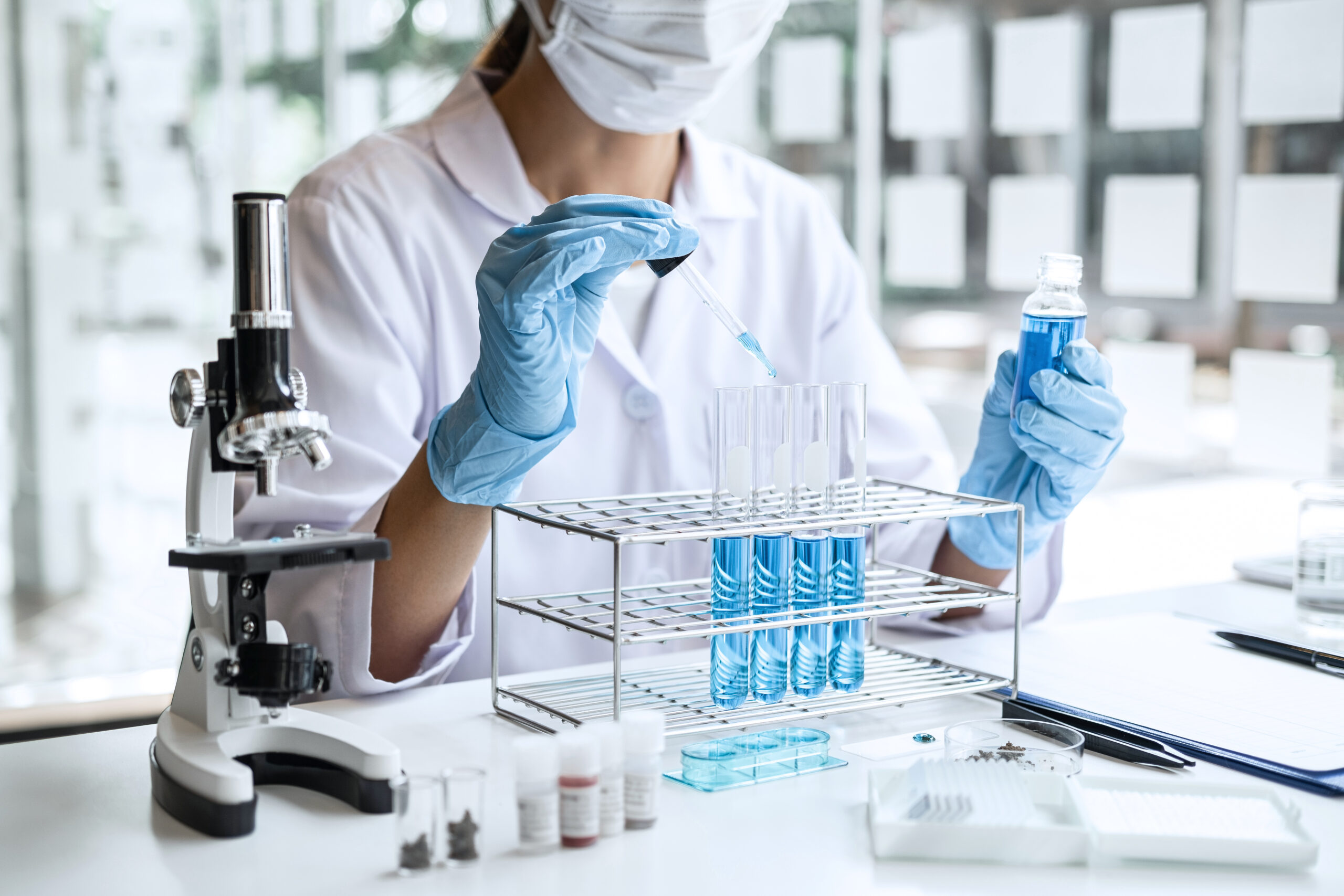
The water flowing from your tap is something you likely interact with dozens of times a day — for drinking, cooking, cleaning, and bathing. Because it is so central to your daily life, it is natural to want to know exactly what is in it. Professional water testing in NYC helps homeowners get accurate, lab-certified results that go far beyond what store-bought kits can offer, identifying a wider range of contaminants with the precision needed to make informed decisions about your family’s health. With the rise of at-home testing technology, homeowners today have more options than ever to investigate their water quality, but when faced with the choice between a DIY kit and professional laboratory analysis, understanding the distinction is key to ensuring that you aren’t just getting data, but that you are getting the right information to protect your household.
The Role of DIY Water Testing Kits
DIY test kits—often found in hardware stores or online—are designed for convenience and speed. They typically use test strips or color-change reagents that provide near-instant results for basic parameters like pH, water hardness, chlorine levels, or, in some cases, the presence of specific bacteria.
When to Use a DIY Kit:
- Routine Monitoring: If you have an existing water treatment system, a DIY kit is excellent for a “quick check” to ensure your water softener or filter is still performing adequately between professional service intervals.
- Initial Screening: If you notice a sudden change in taste, odor, or appearance, a simple kit can sometimes provide a preliminary “yes or no” answer, helping you decide if you need to call in the experts.
- Budget-Friendly Checks: For basic parameters that don’t necessarily signal a health emergency, a low-cost kit is a practical way to satisfy basic curiosity.
The Limitations:
DIY kits are inherently limited. They often lack the sensitivity required to detect contaminants at low, yet potentially harmful, levels. They are also highly subject to user error; because you are the one performing the test, issues like improper sampling, ambient light affecting color interpretation, or expired reagents can easily skew your results. Most importantly, a strip test won’t tell you the concentration of a contaminant—only that it is “present” or “absent.”
The Power of Professional Laboratory Analysis
Professional laboratory testing is the gold standard for water quality. When you utilize testing services from a certified lab, you are moving beyond simple color matching into the realm of precise, state-of-the-art analytical chemistry.
Why Certification Matters
Accredited laboratories must adhere to strict EPA-approved methods. They use advanced instrumentation to measure contaminants at parts-per-billion or even parts-per-trillion levels. Whether you are dealing with heavy metals like lead and arsenic, or complex organic compounds like VOCs, a professional lab provides a level of depth that a home kit simply cannot match.
The Advantage of Expert Interpretation
One of the greatest benefits of laboratory testing is the data context. A lab report provides you with exact numerical values that you can compare against health-based guidelines or regulatory standards. Furthermore, local experts who specialize in local water testing understand the specific geological or environmental challenges of your area. They can explain why your water has certain properties and, more importantly, recommend the most effective treatment solutions tailored to your specific situation.
Which Should You Choose?
The decision between DIY and professional testing often comes down to the nature of your concern.
- Choose DIY if: You are checking for general indicators like chlorine or hardness to keep your appliances running smoothly and want to keep a pulse on your water quality on a monthly or quarterly basis.
- Choose Professional if: You are experiencing health concerns, notice persistent issues with staining or odor, are buying a home, or want to verify the safety of a private well. If you have any reason to believe your water is not safe, do not rely on an at-home kit.
If you are unsure where to begin, exploring common water concerns can help you identify which contaminants might be relevant to your household. It is also worth noting that many homeowners use a hybrid approach: they use professional labs for their baseline, annual, or “deep dive” testing, and rely on simple DIY kits for day-to-day comfort.
Making the Right Choice for Your Family
Your water quality is not just a technical issue—it is a health issue. Relying on an inaccurate test when your family’s well-being is on the line can be a “false economy.” While it may be tempting to save money with a $20 kit, the peace of mind provided by a certified, lab-backed report is often well worth the investment.
If you are ready to move past the guesswork, our team is here to help. You can check our FAQ page for answers to common questions about sampling and interpretation, or use our locations finder to connect with a professional who can provide a comprehensive analysis of your water supply.
For more information on the standards and guidelines for safe drinking water, you can visit the Environmental Protection Agency (EPA) official website.