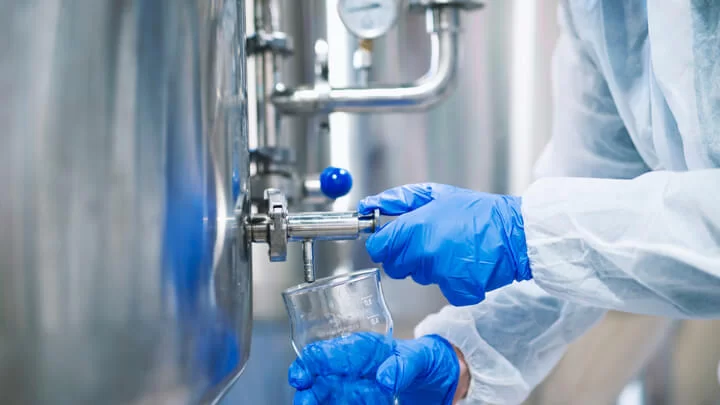
Water is often described as the “universal solvent,” a characteristic that makes it essential for life but also highly susceptible to contamination. This is why tap water quality testing in NYC is crucial; it assesses the presence of harmful substances in your water supply, ensuring it meets safety standards. Because water picks up minerals, chemicals, and microorganisms as it travels through soil, rocks, and aging pipe infrastructure, what comes out of your tap is rarely just H₂O. For homeowners, private well users, and concerned citizens, the question often arises: Is my water actually safe?
To answer this, a basic test is often insufficient. This is where a comprehensive water quality analysis becomes vital. Unlike a simple “potability” test, a comprehensive analysis offers a deep dive into the chemical, physical, and biological makeup of your water supply. It is the gold standard for understanding exactly what is in your water and, more importantly, how those components affect your health and your home.
Defining a Comprehensive Water Quality Analysis
A comprehensive water quality analysis is a multi-layered diagnostic process. It goes beyond checking for just coliform bacteria or basic pH levels. Instead, it involves a battery of laboratory-grade tests designed to identify a broad spectrum of potential contaminants, including heavy metals, synthetic organic chemicals, inorganic minerals, and radiological elements.
Think of it as a “full physical” for your water. Just as a doctor uses comprehensive blood work to identify hidden health issues before they manifest as symptoms, a comprehensive water test uses analytical chemistry to detect impurities that you cannot see, smell, or taste. If you are curious about the current status of your water supply, exploring local water testing options in your area is the best place to start.
What Does the Analysis Actually Cover?
A truly comprehensive report will categorize contaminants into three primary groups. Understanding these categories is the first step in interpreting your laboratory results.
1. Microbiological Indicators
Biological contamination is often the most immediate health concern. This part of the analysis screens for pathogenic organisms—bacteria, viruses, and protozoa—that can cause acute illnesses. Common tests include:
- Total Coliform: A group of bacteria present in the environment and the digestive tracts of warm-blooded animals. Their presence indicates that the water system may be compromised.
- E. coli: A specific type of coliform that acts as a direct indicator of fecal contamination, posing a significant health risk.
2. Inorganic Chemicals and Minerals
This segment evaluates the “chemistry” of your water. It covers elements that occur naturally in the earth’s crust or are introduced through industrial runoff and agricultural activities.
- Heavy Metals: Testing for lead, arsenic, mercury, and cadmium is essential, especially if your home uses older plumbing or is located near industrial zones.
- Nitrates and Nitrites: Often linked to fertilizer runoff or failing septic systems, these are particularly dangerous for infants.
- General Minerals: This includes calcium, magnesium, and iron. While not always a health risk, high levels of these minerals—known as “hard water”—can significantly impact your water quality by damaging appliances and plumbing systems.
3. Organic Compounds and Synthetic Chemicals
This is perhaps the most technical part of a comprehensive analysis. It involves screening for man-made substances that have entered the groundwater. This includes Volatile Organic Compounds (VOCs), pesticides, herbicides, and, increasingly, PFAS (often called “forever chemicals”). These substances are often colorless and odorless, making lab detection the only way to confirm their presence.
The Process: From Tap to Report
The integrity of a comprehensive analysis relies on two pillars: professional collection and state-of-the-art laboratory methodology.
Proper Sample Collection
Accuracy starts long before the water reaches the lab. Proper sample collection is a science in itself. Laboratories provide sterile containers and specific instructions on how to flush the lines and collect the sample to ensure it is representative of the water you are actually consuming. If a sample is contaminated during the collection process, the entire analysis will be skewed.
Lab Techniques
Once at the lab, your sample undergoes various processes, such as:
- Spectroscopy: Used to identify elements by measuring how they interact with light.
- Chromatography: Used to separate complex mixtures of organic chemicals so they can be identified individually.
- Incubation: Used to grow and identify biological colonies.
Because the testing services provided by certified laboratories adhere to rigorous EPA-approved protocols, the results are legally defensible and scientifically sound. This is a level of precision that “do-it-yourself” store-bought kits simply cannot match.
Why You Should Opt for a Comprehensive Test
Many homeowners wait until they notice a problem—such as a metallic taste, stained laundry, or a strange odor—to test their water. However, a comprehensive analysis is best used as a preventative measure.
- Detecting “Silent” Contaminants: Many dangerous substances, like arsenic or lead, have no smell or taste. A comprehensive test catches these before they reach levels that affect your health.
- Informed Filtration Choices: There is no “one-size-fits-all” water filter. If you know you have high iron, you need an iron-specific filter; if you have VOCs, you need an activated carbon system. A comprehensive analysis prevents you from wasting money on the wrong filtration technology.
- Well Management: According to the Environmental Protection Agency (EPA), owners of private wells should perform routine testing to monitor changes in their groundwater source over time.
- Property Value and Safety: Whether you are buying a home or ensuring the safety of your family, having a formal laboratory report provides documentation that is essential for peace of mind.
Interpreting the “Fine Print”
When you receive your results, you will likely see a list of contaminants alongside numbers and acronyms. It is normal to feel overwhelmed. Labs often use terms like “MCL” (Maximum Contaminant Level) or “SMCL” (Secondary Maximum Contaminant Level).
- MCLs are enforceable standards set to protect public health.
- SMCLs are non-enforceable guidelines for cosmetic or aesthetic effects, such as taste, odor, or color.
If your results show an exceedance, don’t panic. Many water quality issues are easily addressable with the right treatment system. The key is to discuss these results with a water treatment professional who can interpret the data and recommend a tailored solution. You can often find answers to common questions about these reports in our FAQ section.
Taking Action
A comprehensive water quality analysis is more than just a piece of paper with data—it is a roadmap for your home’s health. It provides you with the power to control what you and your family consume every day.
If you are concerned about your water, do not wait for visible signs of trouble. Proactive testing is the single most effective way to ensure your water remains a source of life rather than a source of worry. If you would like to begin the process or have questions about how our testing works, please feel free to contact our team today. We are here to help you navigate your water quality journey and ensure that your home water supply is as clean and safe as it should be.
Are you ready to learn more about what is in your water, or are you looking to schedule your first comprehensive test?