For millions of households, a private well is more than just a plumbing utility; it is a direct connection to the natural environment. However, this connection can sometimes bring unwelcome guests. Among the most serious of these is arsenic, a naturally occurring semi-metallic element that can find its way into groundwater through the erosion of rocks and soil.
Unlike many other contaminants that arise from industrial runoff or surface pollution, arsenic is often deep-seated, hidden in the very geology of your region. If you rely on a well, understanding the risks associated with this element and knowing how to manage it is essential for the long-term health of your family.
The Silent Presence: What is Arsenic?
Arsenic is found throughout the earth’s crust. As groundwater moves through subterranean rock formations, it can dissolve arsenic, pulling it into the aquifer that supplies your well. While human activities—such as mining, pesticide use, and industrial manufacturing—can increase arsenic levels in some areas, in many cases, its presence is purely geological.
The danger of arsenic lies in its deceptive nature. It is odorless, tasteless, and colorless. You cannot detect it with your senses, nor will it change the clarity or temperature of your water. This invisibility makes it a “silent” concern, often present even in water that appears crystal clear and tastes refreshing.
According to official health guidelines, long-term exposure to even low levels of arsenic in drinking water can lead to significant health complications.
Why Arsenic Exposure is a Health Priority
The human body is not equipped to handle chronic exposure to arsenic. Because it is a cumulative toxicant, it can build up in the body over years of drinking contaminated water.
Chronic Health Impacts
- Skin Changes: One of the hallmark signs of arsenic exposure is skin pigmentation changes and the development of hard patches (keratosis) on the palms and soles.
- Cardiovascular Issues: Chronic ingestion has been linked to high blood pressure and an increased risk of circulatory diseases.
- Cancer Risk: The International Agency for Research on Cancer (IARC) classifies arsenic as a Group 1 carcinogen, noting its clear link to bladder, lung, and skin cancers.
- Developmental Effects: Exposure during pregnancy and early childhood can potentially impact cognitive development and immune system function.
Given these risks, the EPA has set a strict Maximum Contaminant Level (MCL) for arsenic in public water systems at 10 parts per billion (ppb). While private well owners are not legally mandated to meet this standard, it serves as the essential benchmark for ensuring your home’s water is safe to drink.
Detection: The Role of Professional Testing
Because you cannot see or taste arsenic, you should never assume your water is safe simply because you haven’t noticed any changes. Many homeowners only think to check their water quality when they notice a change in taste or odor, but arsenic will not provide those warnings.
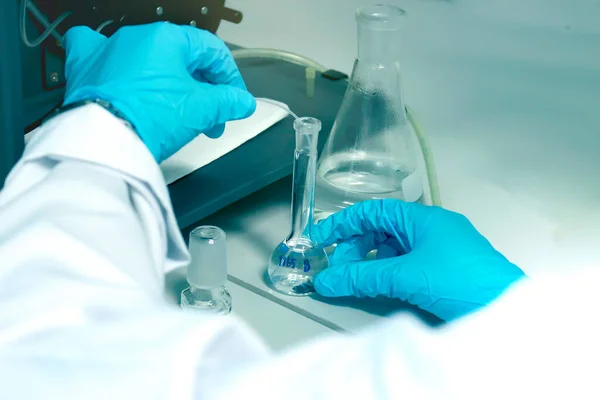
This is why regular testing services are vital. Laboratory analysis is the only way to accurately quantify the amount of arsenic in your water. Because groundwater chemistry can change due to shifts in the water table, agricultural practices, or new construction in your area, testing should be a recurring part of your home maintenance schedule.
If you are new to the area or have never tested your well, seeking out local water testing is the best way to get a baseline report. Local labs are often familiar with the specific geological profiles of your area and can tell you if arsenic is a common regional concern.
Managing Your Water Concerns
If your test results reveal that arsenic levels are above the recommended 10 ppb threshold, it is time to look into treatment solutions. Arsenic removal is complex because the element can exist in two different forms in water: Arsenite (As+3) and Arsenate (As+5). Most standard filtration systems will not remove both forms efficiently without pretreatment.
Treatment Strategies
- Oxidation: If your water contains Arsenite, an oxidizing agent (like chlorine or potassium permanganate) is often used to convert it into Arsenate, which is much easier to filter out.
- Reverse Osmosis (RO): This is one of the most effective ways to remove arsenic, particularly when combined with an oxidation step. High-quality RO systems push water through a membrane that blocks arsenic molecules.
- Adsorption Media: Specialized iron-oxide or alumina filters can be used to “bind” arsenic as it passes through the filter media.
Before purchasing any system, address your specific water concerns by consulting with a water treatment professional. They can review your laboratory results and recommend a system that is properly sized and configured for your household’s needs.
Staying Informed and Proactive
Water quality is not a static condition. It is subject to environmental fluctuations that can change the chemistry of your aquifer. For those living in different regions, keeping track of known locations with high mineral content can provide a helpful context for the safety of your own well.
If you find the technical side of water chemistry overwhelming, our FAQ section is a great resource to help clarify the testing process and answer common questions about water treatment.
Final Thoughts
The security of your private well is entirely in your hands. While the presence of naturally occurring arsenic can feel intimidating, it is a manageable risk. By staying proactive with annual testing and understanding your local geology, you can ensure that your home remains a sanctuary of health.
If you suspect your well may be at risk or if it has been more than a year since your last assessment, contacting a professional today is the most important step you can take. Clear, clean, and safe water is not just a luxury—it is the foundation of a healthy life.
For more resources and tips on maintaining your water supply, feel free to browse our full blog.