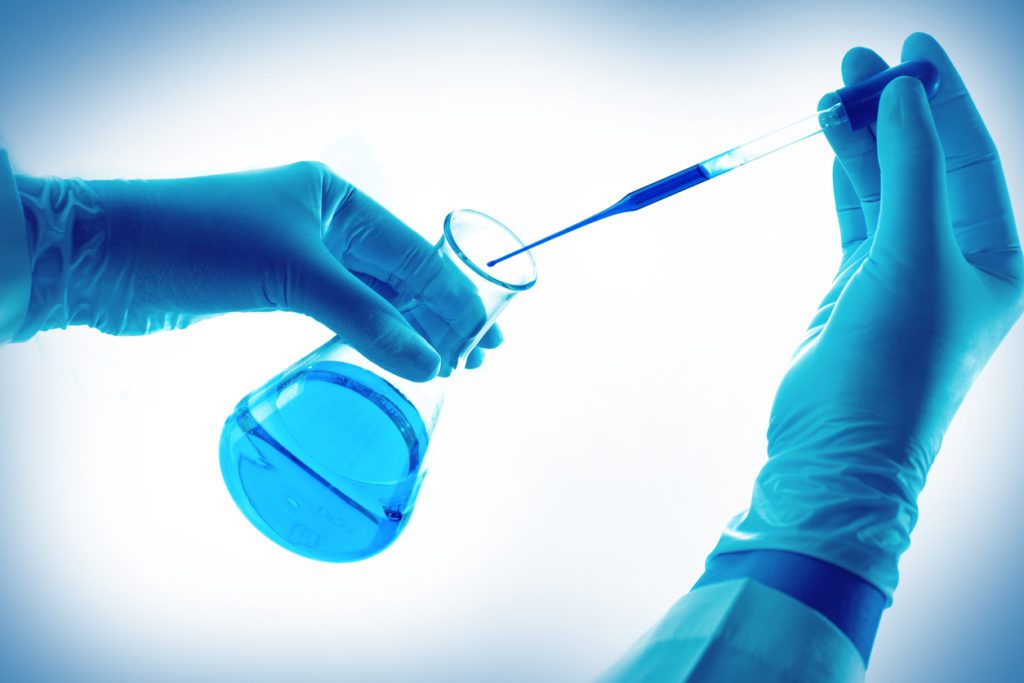
Bacteria in Drinking Water: Detection and Prevention
Coliform testing for drinking water in Queens is essential for ensuring the safety and purity of your water supply. This process involves analyzing water samples for the presence of coliform bacteria, which can indicate potential contamination and the risk of harmful pathogens. Although municipal water systems are generally well-regulated, the complex journey from treatment plants to your tap can introduce unforeseen contaminants, particularly in private wells and storage. It is crucial to monitor and maintain water quality to safeguard health and prevent exposure to these microscopic threats.
Understanding the risks associated with bacterial contamination and knowing how to proactively monitor your water quality is essential for protecting your household’s health.
The Invisible Threat: Why Bacteria Matters
When we talk about bacteria in drinking water, we aren’t referring to the helpful microbes that aid in digestion. We are concerned with pathogens—disease-causing organisms that can trigger everything from mild gastrointestinal distress to severe, life-threatening illnesses.
Common waterborne bacteria include E. coli, Salmonella, Campylobacter, and Shigella. These organisms often enter water supplies through fecal contamination, which can occur due to faulty sewage systems, agricultural runoff, or wildlife interference near water sources.
For homeowners, particularly those relying on private wells, the risk is often higher because there is no municipal safety net ensuring continuous disinfection. Even in urban environments, aging infrastructure, water main breaks, or backflow issues can introduce contaminants into the lines after they leave the treatment facility. Recognizing the signs—such as a sudden change in taste, odor, or clarity—is the first step, but because many bacteria are odorless and tasteless, visual inspection is rarely enough.
How Detection Works: Beyond the Senses
You cannot see, smell, or taste most harmful bacteria. This is why testing services are the only reliable way to confirm the safety of your tap water.
Professional laboratory analysis uses advanced microbiological methods to identify the presence of indicator organisms. The most common of these are total coliforms and E. coli. Coliform bacteria are naturally present in the environment and are generally harmless, but their presence serves as an “early warning system.” If coliforms are detected, it suggests that the water supply may have been compromised and could be vulnerable to more dangerous pathogens.
The detection process typically involves:
- Sample Collection: Using sterilized containers to ensure no outside contaminants affect the results.
- Incubation: Placing samples in a controlled environment to encourage bacterial growth if any are present.
- Identification: Using biochemical tests to determine the specific type of bacteria and the concentration levels.
If you suspect your water has been compromised, it is advisable to seek out local water testing to get a precise breakdown of your home’s water quality. Relying on store-bought test strips can be helpful for a quick check, but they often lack the sensitivity required to detect low levels of bacteria that still pose a health risk.
Prevention: Securing Your Water Supply
Once you have identified a problem—or if you simply want to prevent one—the focus must shift to treatment and mitigation. Prevention is not a “set it and forget it” process; it requires regular vigilance.
1. Source Protection
If you have a well, ensure the wellhead is properly sealed and located away from potential contamination sources like septic tanks, chemical storage, or livestock enclosures. Annual inspections of the well casing and cap can prevent debris and surface water from infiltrating the groundwater.
2. Point-of-Entry and Point-of-Use Treatment
Depending on the severity of the contamination, different filtration and purification methods may be necessary:
- UV Purification: Ultraviolet light is highly effective at neutralizing bacteria, viruses, and protozoa by disrupting their DNA, preventing them from reproducing.
- Chlorination: Chemical disinfection remains the gold standard for municipal water and can be installed as a system for private wells to ensure consistent residual protection throughout your home’s plumbing.
- Reverse Osmosis: While primarily used to remove dissolved solids and chemicals, some high-quality RO systems provide a secondary layer of protection, though they must be properly maintained to prevent bacterial buildup within the filters themselves.
3. Regular Testing Schedules
How often should you test? The EPA suggests that private well owners test their water at least once a year for total coliform bacteria, nitrates, and other concerns. If you have recently performed plumbing work, experienced flooding, or have household members with compromised immune systems, more frequent testing is recommended.
Taking Proactive Steps
If you are uncertain about the current state of your water, looking at your specific water concerns is the best place to start. Whether you are moving into a new home or have lived in the same spot for decades, water quality is not static—environmental changes, shifts in the local water table, and plumbing age all play a role.
Many residents find comfort in understanding their specific regional water profile. By reviewing locations that have been previously assessed, you can gain a better understanding of common issues in your area. Knowledge is your most powerful tool in maintaining a safe environment for your family.
Final Thoughts
The safety of your drinking water is a shared responsibility between your local water authority and you as the homeowner. While the thought of bacteria in your pipes can be daunting, the modern tools available for detection and prevention are highly effective.
Don’t wait for an illness to manifest before checking the quality of your water. Regular testing is an inexpensive form of health insurance. If you have questions about how to collect a sample or which tests are most relevant to your home, check our FAQ section for guidance on navigating the testing process.
For those ready to take the next step in securing their home, contacting a professional can provide the clarity and peace of mind you need to ensure that every glass of water poured in your home is as clean and safe as possible.