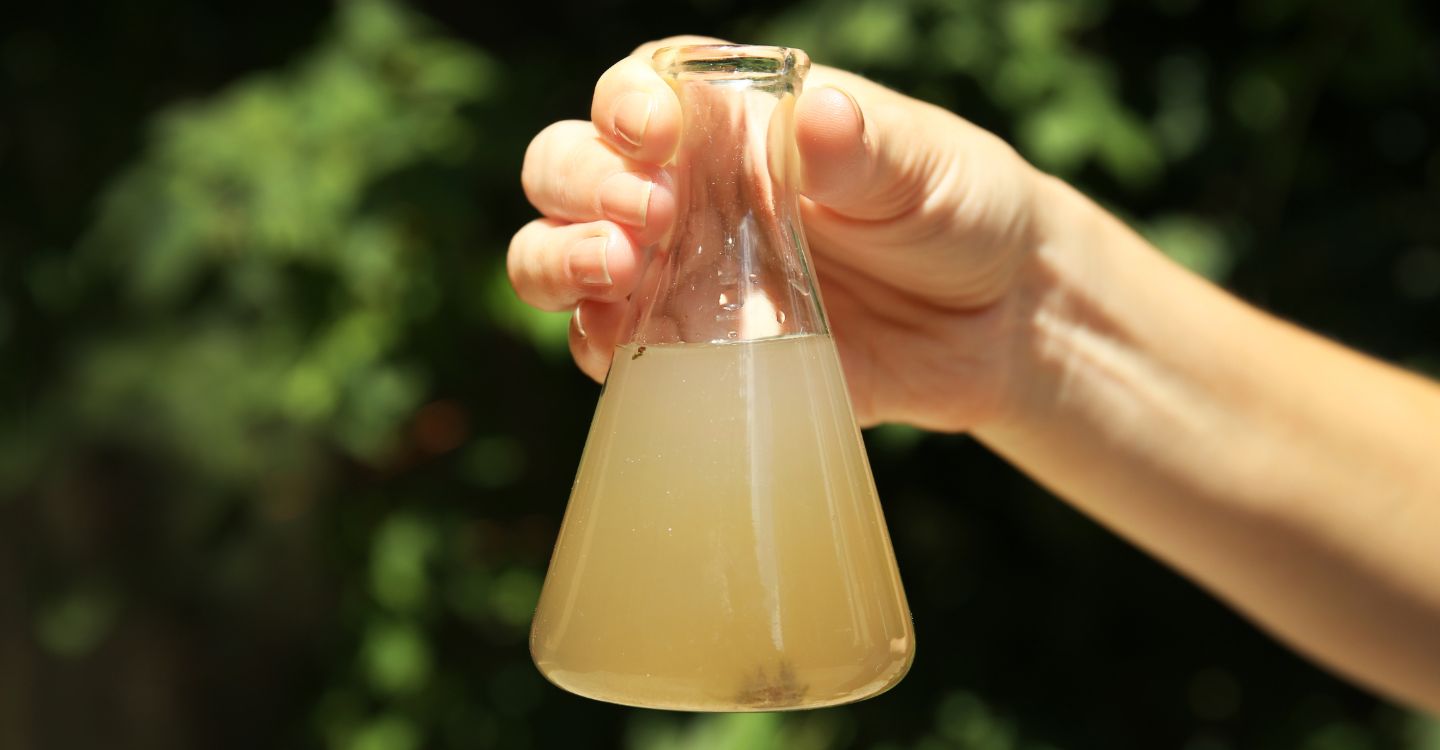
Water is the most fundamental component of a healthy home, yet it is often the one we take for granted. Because contaminants like heavy metals, bacteria, and chemical runoff are frequently invisible and odorless, professional analysis is the only way to gain true peace of mind. As we move through 2026, many homeowners are asking: What is a reasonable price to pay for this certainty?
The short answer is that water testing costs can vary significantly—from free screenings at local health departments to comprehensive packages costing several hundred dollars. Understanding these price points and what they cover is the first step in managing your home’s water safety.
The Price Spectrum: What to Expect
In 2026, the cost of water testing generally falls into three categories based on the depth of the analysis and the level of service required.
1. Basic Screening ($15 – $75)
For many homeowners, an annual check is all that is needed. This typically covers the “big three” indicators: total coliform bacteria, E. coli, and nitrates.
- Best for: Routine annual monitoring of private wells.
- Source: Local county health departments are often your most affordable resource. Many state-sponsored programs offer these basic tests at a fraction of the cost of a private commercial lab.
2. Standard Laboratory Panels ($50 – $150)
If you are moving into a new home or notice a change in water quality, a standard panel provides a broader baseline. These tests usually include the basic screening plus checks for common minerals like iron, manganese, and hardness, as well as pH levels.
- Best for: Baseline testing for new homeowners or those noticing aesthetic issues like staining or unusual tastes.
3. Comprehensive Analysis ($200 – $500+)
For those living near agricultural areas, industrial zones, or older properties with unknown plumbing materials, a comprehensive test is the gold standard. These packages go deep into specific water concerns, checking for heavy metals (like lead and arsenic), volatile organic compounds (VOCs), pesticides, and sometimes even “forever chemicals” like PFAS.
- Best for: Homes with potential environmental risk factors or for those requiring certified documentation for mortgage approvals (such as FHA or VA loan requirements).
Key Factors Influencing Cost
Why is there such a wide range in pricing? Several technical and logistical factors determine the final invoice you receive from a local water testing provider.
The Number and Complexity of Parameters
Testing for simple bacteria is a straightforward process, but detecting trace amounts of industrial pollutants requires highly specialized equipment like mass spectrometers. The more “parameters” (contaminants) you add to your testing list, the higher the labor and reagent costs for the laboratory.
Turnaround Time
Standard testing usually takes several business days. If you are in a rush—perhaps due to a real estate closing deadline—”rush” fees can often double the cost of a standard package. Always plan ahead when possible to avoid these premiums.
Sampling Method
While you can often collect samples yourself, some tests require strict adherence to “chain of custody” protocols, especially for legal or real estate purposes. If a professional technician must come to your property to collect the sample to ensure it meets regulatory standards, you should expect to pay for their travel and time.
Is DIY Testing Worth the Savings?
You may have seen low-cost test strips at hardware stores for $15–$50. While these can be useful for quick, “at-a-glance” checks (like ensuring your water softener is working), they are not a substitute for professional analysis.
DIY kits are often limited in sensitivity and cannot reliably detect hazardous contaminants like lead, arsenic, or specific bacteria at the levels required for safety certification. Professional testing services provide you with an EPA-certified report, which offers a level of accuracy and legal defensibility that DIY kits simply cannot match.
Planning Your Testing Budget
Water quality management is an ongoing responsibility, not a one-time event. To keep your costs manageable, consider this proactive approach:
- Prioritize the Basics: Never skip your annual bacteria and nitrate tests. They are the most affordable and the most critical for immediate health.
- Use Bundled Packages: Labs often charge significantly less for a “Homeowner’s Package” than they would for the same tests ordered individually. Look for these deals when you need more than a basic screening.
- Know Your Risks: If you don’t live near farmland, you may not need to pay for a $150 pesticide screen every year. Focus your budget on the contaminants most likely to affect your specific locations.
- Consult the Experts: If the technical jargon in a laboratory price list feels overwhelming, check a reliable FAQ resource. Most professional labs are happy to help you build a custom testing plan that addresses your specific needs without unnecessary expenses.
Conclusion
Investing in water testing is, quite literally, an investment in your health. While costs in 2026 can range from a modest $50 to a more significant $500, the value of knowing exactly what is coming out of your tap is immeasurable. By understanding what you are paying for—and focusing on the tests most relevant to your home—you can maintain a safe water supply without breaking the bank.
If you are ready to establish a baseline for your home or simply want to check in on your water quality, don’t hesitate to reach out to a professional.
Do you have questions about which tests are right for your home? Contact us today to speak with our team, or explore our blog for more guides on maintaining a healthy and efficient home water system.