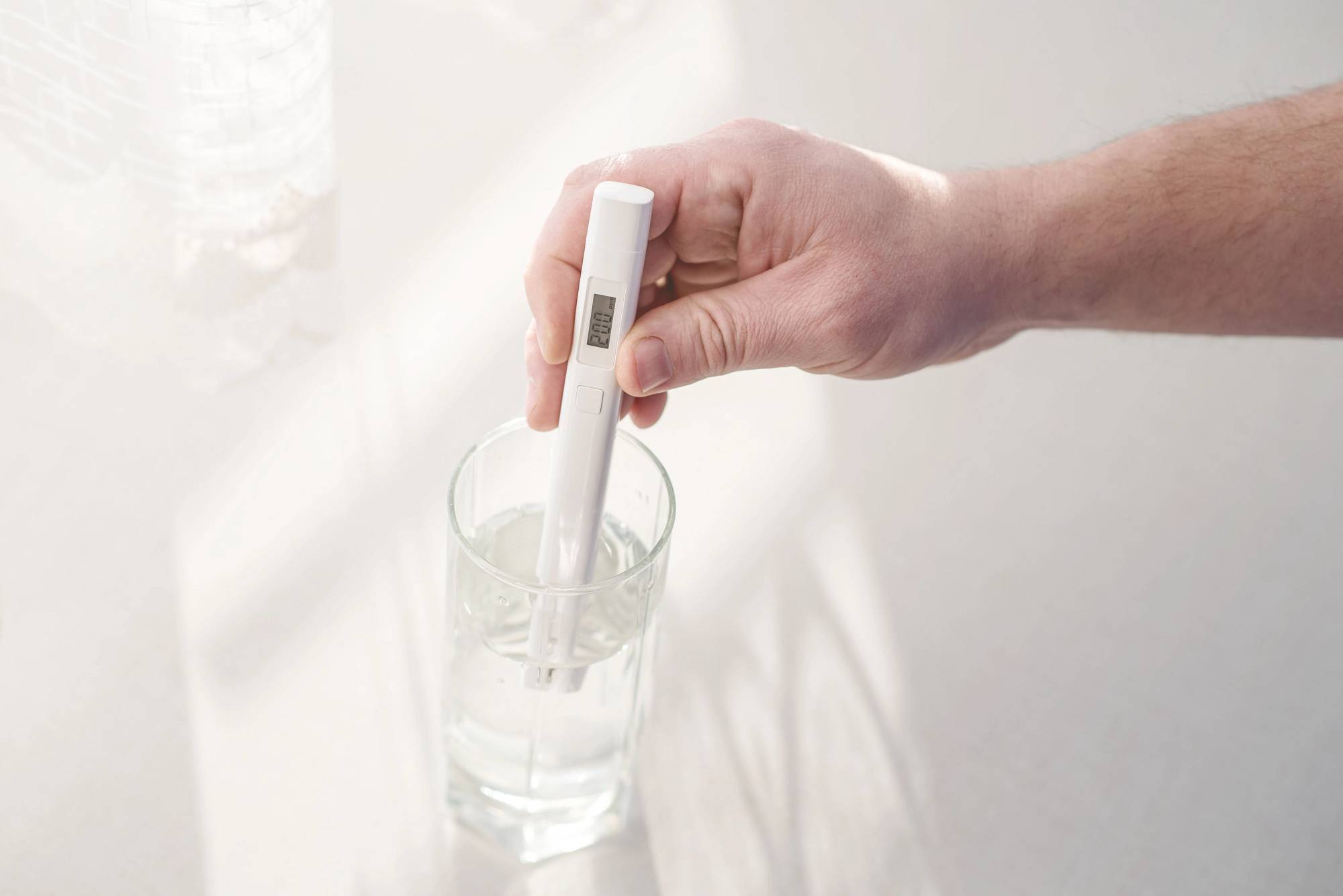
When you turn on your kitchen tap, you expect a clean, refreshing glass of water. In most cases, that expectation is met—but “safe” water is not always a permanent state. To ensure the quality of your drinking water, tap water testing in NYC is essential; it helps identify contaminants and monitor changes over time, allowing you to take action if needed. Whether you rely on a private well or a municipal supply, water quality can shift due to environmental changes, aging infrastructure, or even internal plumbing issues.
The most common question we hear is: “How often do I actually need to test my water?” The answer depends heavily on your water source and your personal health concerns. In this guide, we’ll break down the recommended testing frequencies and help you decide when it is time to schedule your next analysis.
The Difference: Private Wells vs. Public Systems
The “right” frequency for testing depends entirely on who is responsible for the water quality.
Private Well Owners
If you get your water from a private well, you are the water utility manager. You are solely responsible for ensuring the water is safe. Because well water is not subject to the same regulatory monitoring as city systems, the EPA recommends testing your well water at least once every year for total coliform bacteria, nitrates, total dissolved solids, and pH levels.
Beyond that annual baseline, you should test more frequently if:
- You have infants, elderly family members, or immunocompromised individuals in your home.
- You notice any changes in taste, color, or odor.
- There has been recent flooding, heavy rainfall, or land disturbance near your property.
- You have completed repairs or maintenance on your well pump or piping system.
Municipal Water Customers
If you pay a water bill to a city or county, your water is tested regularly by the municipality to comply with national standards. These utilities provide an annual Consumer Confidence Report (CCR) detailing the contaminants detected in their systems.
However, there is a catch: Municipal testing happens at the treatment plant or designated sampling points. It does not account for the specific plumbing inside your home. If you live in an older home with lead pipes or corroded fixtures, the water leaving the utility may be clean, but the water leaving your tap could be contaminated with heavy metals. For this reason, even city-water residents should consider professional testing services every few years—or immediately if you are concerned about lead or copper leaching.
Critical Times to Test Your Water
Regardless of your water source, certain life events and environmental changes serve as a “trigger” to test your water. If you fall into any of the following categories, don’t wait for your annual schedule:
1. Moving into a New Home
When you buy a home, you check the roof, the foundation, and the electrical. You should treat your water with the same level of due diligence. A pre-purchase water testing assessment provides a vital baseline for your new home. It’s better to discover a need for a filtration system before you move in than after you’ve already been drinking the water for months.
2. Family Health Concerns
If you or a family member has a unexplained gastrointestinal illness, it’s worth ruling out your water supply. Likewise, if you are pregnant, nursing, or have small children, the standard for “acceptable” water is much higher. Testing for lead and nitrates is particularly critical in these scenarios.
3. Changes in Water Appearance or Taste
Water should be neutral. If it suddenly tastes like metal, smells like rotten eggs, or leaves colored stains (reddish for iron, blue/green for copper, black for manganese) on your laundry or fixtures, these are clear physical signals that your water chemistry has changed. These water concerns are common, but they must be diagnosed by a lab to determine the correct treatment.
4. After Natural Disasters
Floods, wildfires, and heavy storms can overwhelm local groundwater systems and damage well casings. If your area has recently been impacted by a natural disaster, testing for biological contaminants (bacteria) and chemical runoff is a standard safety precaution.
Why Professional Lab Testing Outperforms DIY Kits
It is tempting to grab a $10 test strip from the hardware store, but these are often limited in scope and sensitivity. They can give a “yes/no” answer for high concentrations of a few elements, but they lack the precision of laboratory analysis.
Professional labs use sophisticated methods like Inductively Coupled Plasma Mass Spectrometry (ICP-MS) to detect contaminants at parts-per-billion levels. If you are concerned about heavy metals, volatile organic compounds (VOCs), or specific bacteria, you need an accurate, quantitative report that you can trust.
Taking the Next Step
Maintaining your water quality is a proactive way to safeguard your family’s long-term health. If you are struggling to remember the last time you tested your water, consider that a sign to reach out.
We make it easy to find reliable, certified testing options. You can browse our locations to find a lab near you, or visit our FAQ page for quick answers on how to collect a sample.
Water quality is not static—it evolves as your pipes age and your environment changes. By staying vigilant and testing at appropriate intervals, you can ensure that your tap water remains a source of health rather than a source of worry.
If you have questions or are ready to schedule your analysis, contact us today and let us help you get the answers you need. You can also explore our blog for more tips on maintaining a safe home environment.