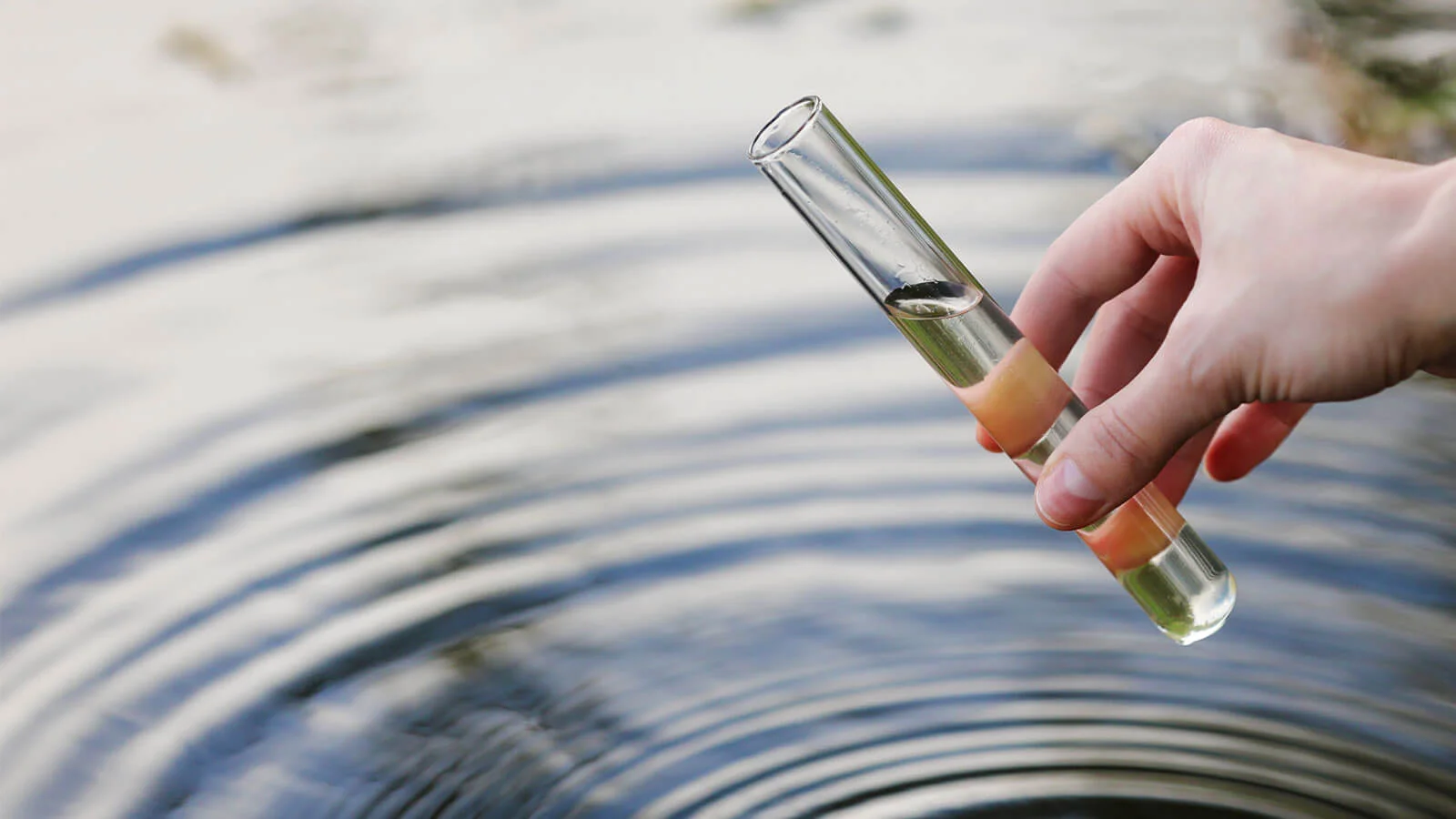
Water is the most fundamental resource in our daily lives. We rely on it for hydration, hygiene, cooking, and sanitation. Because we interact with it so intimately, we rarely pause to consider the invisible factors hidden within the flow. One important step in ensuring the safety of our water is PFAS drinking water testing in NYC, a process that identifies harmful chemicals known as per- and polyfluoroalkyl substances, which can accumulate in our bodies over time and pose serious health risks. This testing not only helps detect these contaminants but also provides peace of mind to residents who want to ensure their drinking water is safe. By choosing reliable testing services, you can protect your health and that of your family, making informed decisions about your water supply and contributing to a safer community.
When water quality is degraded, the consequences are two-fold: they pose immediate, tangible risks to our health and long-term, significant risks to our financial investment—specifically, our property value. Understanding how these two areas intersect is critical for homeowners who want to protect their families and their assets.
The Health Consequences of Contaminated Water
The most significant danger of water contamination is that it is often invisible. Pathogens like bacteria, parasites, and viruses, as well as chemical contaminants like lead, arsenic, and PFAS, do not always alter the taste, color, or odor of water. This creates a “false sense of security” that can lead to long-term exposure.
Acute vs. Chronic Health Risks
Health impacts from poor water quality generally fall into two categories:
- Acute Effects: These are immediate reactions to contaminated water, usually caused by biological pathogens like E. coli or Giardia. Symptoms often include gastrointestinal distress, nausea, and vomiting. For vulnerable populations, such as infants, the elderly, or the immunocompromised, these infections can become severe rapidly.
- Chronic Effects: Long-term exposure to heavy metals or chemical runoff is often more insidious. Lead, for example, is a potent neurotoxin that can cause cognitive impairment in children and cardiovascular issues in adults. Similarly, chronic exposure to certain chemicals, such as arsenic, has been linked to an increased risk of various cancers and skin disorders.
Because these health impacts often develop over years or even decades, testing your water is not just about avoiding immediate illness—it is about long-term preventative health. If you are concerned about potential hazards in your supply, utilizing local water testing can provide the clarity needed to take control of your environment.
The Financial Burden on Property Value
Beyond the biological impact, water quality is a significant factor in the real estate market. A home is often the largest financial investment a person will ever make, and its value is inextricably linked to the functionality of its essential systems—including the water supply.
Plumbing and Appliance Degradation
Hard water (water with high mineral content, such as calcium and magnesium) may not always be a health risk, but it is a silent destroyer of property value. Over time, hard water leads to “scale” buildup in pipes, water heaters, and dishwashers. This buildup reduces the efficiency of appliances, increases energy costs, and eventually leads to the need for costly plumbing repairs or premature appliance replacement.
When a prospective buyer learns that a home’s plumbing system has been compromised by poor water quality, it becomes a major leverage point during negotiations. Buyers may demand lower prices or, worse, walk away from the deal entirely.
Marketability and Disclosures
In many regions, property sellers are legally required to disclose known issues with the water supply, especially for homes on private wells. If a home is known to have issues with contaminants—or if a previous buyer’s inspection reveals them—the marketability of that property drops immediately.
Conversely, having documentation from professional testing services that confirms clean, safe water can be a massive selling point. In a competitive market, a “clean bill of health” for your water supply provides confidence to potential buyers and ensures that the transaction process is smooth and transparent.
Addressing Your Water Concerns
If you have noticed changes in your water, or if you are simply interested in establishing a baseline for your home’s safety, the best approach is to stop guessing and start measuring. There is a wide range of water concerns that homeowners face, from aesthetic issues like staining and odors to more serious safety risks.
The Role of Professional Analysis
It is tempting to rely on low-cost, DIY testing strips found at hardware stores. However, these tools are limited in scope and accuracy. A comprehensive laboratory analysis goes much further. It identifies specific concentrations of contaminants, comparing them against EPA-approved safety guidelines. This level of detail allows you to make informed decisions about whether you need a simple point-of-use filter or a more robust, whole-house treatment system.
Protecting Your Investment
Proactive water maintenance is essentially an investment in your home. By identifying and treating water quality issues early, you avoid the compounding costs of plumbing repairs and potential health care bills. Furthermore, maintaining a clean water record ensures that your home retains its value for future buyers.
According to the United States Geological Survey (USGS), understanding the chemical and biological makeup of your water is the first step toward responsible stewardship. Whether you are living in a rural area or a city, being aware of the environmental factors impacting your water is part of the duty of homeownership.
When to Seek Help
If you are unsure where to start, do not feel like you have to navigate the world of water chemistry alone. Many common questions regarding testing procedures, how to interpret lab reports, or what to look for when you suspect contamination are addressed in our FAQ section.
If you are ready to ensure your home remains a safe haven, we encourage you to contact our team. We can help you understand the specific risks in your area and guide you through the process of securing your water supply.
Final Thoughts
The quality of your water touches every aspect of your life, from the health of your loved ones to the longevity of your home’s infrastructure. Contamination is not just an environmental issue; it is a personal one. By choosing to prioritize regular, professional water testing, you are choosing to protect your health and preserve the value of your most important asset. Do not wait for symptoms to appear or for your plumbing to fail—take the step toward peace of mind today.