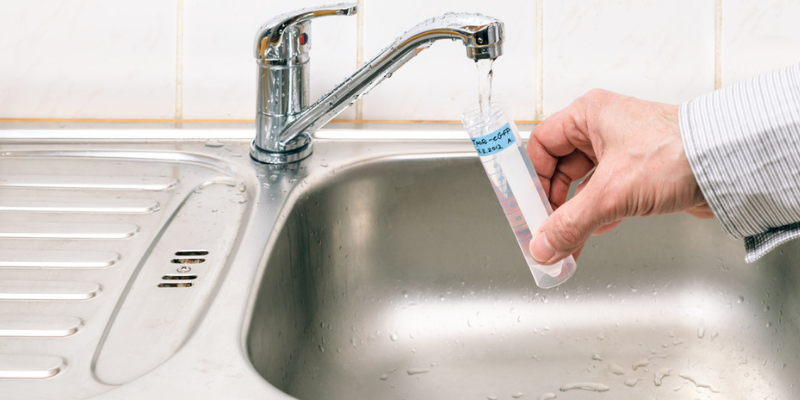
One crucial aspect of home maintenance that often gets overlooked is our drinking water quality. Certified bacteria water testing in Queens ensures that your water is free from harmful contaminants and safe for consumption. This testing process analyzes water samples for bacteria, helping homeowners understand the safety and quality of their water supply. While we typically associate home care with seasonal tasks like gutter cleaning or furnace servicing, water quality is dynamic, influenced by changes in weather, agricultural practices, and local environmental conditions.
Understanding the importance of seasonal water testing is essential for anyone who wants to ensure their household water remains safe, clean, and healthy year-round.
The Environment is Dynamic
Water is a solvent. As it moves through the ground to reach a well or flows through aging infrastructure to a municipal tap, it picks up whatever is in its path. Those paths change significantly depending on the time of year.
In the spring, for instance, heavy snowmelt and rainfall can lead to runoff. This water carries everything from lawn fertilizers and pesticides to sediment and animal waste into the groundwater supply. Similarly, during the hot, dry months of summer, the water table may drop. As the water level decreases, the concentration of minerals and naturally occurring contaminants in the remaining water often increases, leading to changes in both chemistry and taste.
Because of these fluctuations, a single test performed in the middle of winter may not provide an accurate picture of the water quality your family consumes during the height of the summer drought or the spring thaw. Investing in consistent local water testing throughout the year is the only way to capture these seasonal variations.
Agriculture and Runoff
For those living in rural areas or near agricultural land, seasonal changes are even more pronounced. The timing of planting and harvest cycles directly impacts the chemicals present in the surrounding soil.
Spring planting often coincides with the application of herbicides and fertilizers. If you rely on a private well, these substances can leach into your water source following heavy rain events. According to the United States Geological Survey (USGS), agricultural runoff is a significant factor in groundwater contamination, particularly in areas with shallow aquifers.
Testing during the peak of the agricultural season can reveal whether your filtration system is adequately handling these seasonal spikes in contaminants. If you suspect your water has been impacted by environmental runoff, it is worth exploring our specialized testing services to ensure you are effectively mitigating those specific risks.
Bacteria and Microbial Activity
Microbial life is highly sensitive to temperature. As the weather warms, the potential for bacterial growth increases in many environments. While municipal water systems are treated to handle these threats, private wells are susceptible to influxes of bacteria during warmer months, especially if the well casing is compromised or if there is significant surface runoff.
Many homeowners only think about testing for bacteria—such as Coliform or E. coli—when they notice a change in the smell or appearance of their water. However, by the time water smells or looks different, bacteria may have already been present for some time. Regular, scheduled testing allows you to catch these issues before they become a health risk. If you are unsure about the safety of your current supply, reviewing our common water concerns can help you understand what indicators to look for during different times of the year.
Aging Infrastructure and Thermal Changes
Even for those on city water, temperature plays a role in water chemistry. In the winter, cold water can contract plumbing materials, while summer heat can cause expansion. These fluctuations, combined with the high chlorine levels often used by municipalities during warmer months to prevent microbial growth, can alter the taste and odor of your water.
Furthermore, if you live in an older home, the integrity of your pipes can be affected by ground temperature changes. This can sometimes lead to increased leaching of lead or copper from older solder or fixtures. While public water is monitored at the source, the water quality at your tap can be vastly different depending on the internal state of your home’s plumbing and the season.
How to Establish a Testing Routine
You don’t need to test your water every week to stay safe, but shifting toward a seasonal mindset is a smart habit. Here is a simple framework for maintaining a healthy water supply:
- Spring: Test for bacteria, nitrates, and pesticides, especially if you live in an area with significant snowmelt or agricultural runoff.
- Summer: Keep an eye on mineral content and hardness, as lower water tables can concentrate these elements.
- Fall/Winter: If you have experienced any flooding or heavy rainfall during the year, ensure your well integrity is still intact.
By establishing a baseline and comparing your results throughout the year, you can identify patterns. If you notice your water consistently fails a specific test during the spring, you know it is time to invest in a seasonal filtration upgrade.
Getting Started
If you are ready to take control of your water quality, you don’t have to do it alone. We operate out of many locations and are dedicated to providing accurate, actionable data to homeowners.
Whether you are a new well owner or simply a concerned resident looking for a deeper understanding of your water’s chemical profile, we are here to support you. You can contact us today to speak with a technician about your specific needs.
Water is the most important substance you consume every day. By paying attention to the timing of your testing, you are doing more than just checking a box; you are actively safeguarding the health of your home and your family.
Curious about what your test results actually mean? Visit our blog for deep dives into water chemistry, or visit our FAQ for quick answers to the most common questions about water safety.