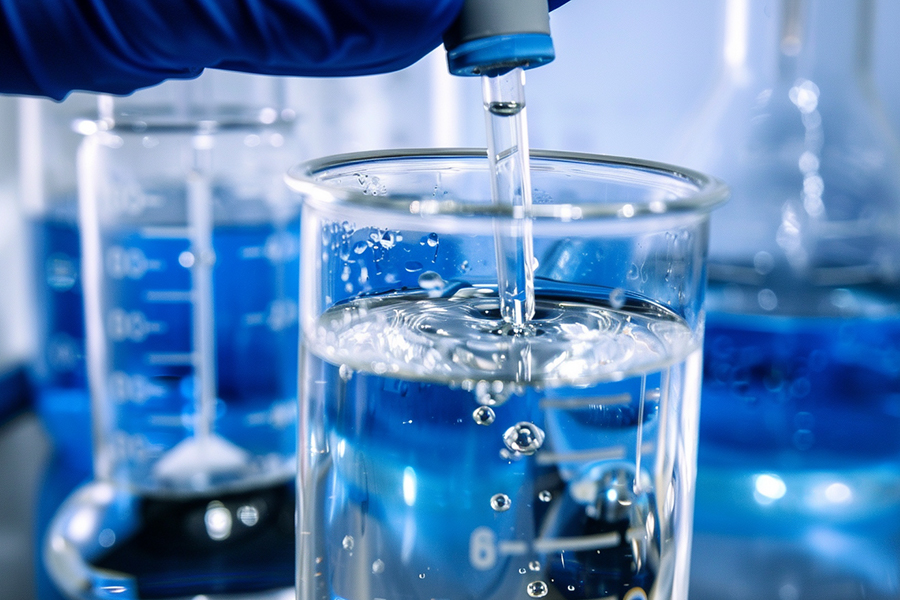
Drinking water testing in NYC is the only definitive way to know whether the water your family relies on every day is truly safe. It helps uncover hidden contaminants that can enter your supply through aging pipes, seasonal changes, or environmental shifts — threats no amount of visual inspection can reveal. Water is essential to life, yet we rarely pause to consider exactly what is flowing through our pipes. Whether your water comes from a municipal system or a private well, its quality is not a static constant. Changes in weather, aging infrastructure, and nearby environmental factors can all shift the composition of your tap water. Because many common contaminants are tasteless, odorless, and invisible, testing is the only way to truly know what is in your glass.
This guide provides a comprehensive overview of why, when, and how you should test your drinking water to ensure your home remains safe and healthy.
Why Should You Test Your Water?
Many homeowners assume that if their water looks clear and tastes fine, it is safe. Unfortunately, this is a dangerous misconception. Microbial pathogens, heavy metals, and various chemical compounds can exist in concentrations high enough to cause long-term health issues without ever altering the appearance or flavor of your water.
Testing your water serves three primary purposes:
1. Health and Safety
The most critical reason to perform local water testing is your family’s health. Contaminants like lead (which can leach from old plumbing), nitrates (often from agricultural runoff), and bacteria like E. coli pose serious, sometimes immediate, health risks. Children, in particular, are more susceptible to the effects of heavy metals and other toxins.
2. Protecting Infrastructure
Water quality isn’t just about health; it’s about the longevity of your home. Corrosive water (often indicated by a low pH) can eat away at copper pipes and fixtures, leading to leaks and costly repairs. Conversely, “hard” water—high in calcium and magnesium—leads to scale buildup in water heaters and dishwashers, reducing their efficiency and lifespan.
3. Improving Daily Experience
If you’ve ever noticed a metallic tang, a “rotten egg” smell, or stubborn staining on your laundry and sinks, your water’s chemical profile is likely the culprit. Identifying these issues through testing services allows you to choose the right filtration system to resolve these aesthetic irritants effectively.
When to Schedule a Test
If you rely on a private well, the Environmental Protection Agency (EPA) recommends testing for coliform bacteria and nitrates at least once a year. However, you should also schedule a test if:
- You notice changes: Any unexplained change in taste, odor, color, or the appearance of your fixtures.
- Life events: Someone in the household is pregnant, nursing, or has an infant (nitrates are particularly dangerous for babies).
- New equipment: You are considering installing a water softener or purification system and need a baseline to select the correct unit.
- Infrastructure work: Recent plumbing repairs or a major storm or flood in your area can disturb groundwater and stir up sediment.
For those on city water, you should receive an annual Consumer Confidence Report. If you have concerns about the results provided by your municipality—or if you suspect your home’s specific plumbing is introducing lead or copper—ordering an independent lab test provides an extra layer of verification.
Understanding Your Water Concerns
When you decide to move forward, it helps to narrow down your specific water concerns. While a basic panel is a great starting point, you may need to look for deeper indicators depending on your living situation:
| Category | What it Checks For | Why it Matters |
| Microbiological | Coliform, E. coli | Indicates possible sewage or fecal contamination. |
| Inorganic | Lead, Copper, Arsenic | Can cause severe health issues and result from old pipes or mineral deposits. |
| Physical | pH, Hardness, TDS | Impacts taste, odors, and the lifespan of appliances. |
| Chemical | Nitrates, Pesticides | Often linked to local agricultural or industrial runoff. |
The Testing Process: What to Expect
Testing isn’t just about grabbing a cup of tap water and hoping for the best. To get accurate results, professional standards must be followed.
- Preparation: Contact a reputable facility. You can find professional locations that specialize in water quality analysis. They will typically provide you with sterile collection bottles and specific instructions.
- Collection: Follow the sampling instructions exactly. This often involves flushing your pipes by running the cold water for a few minutes and collecting the sample in a specific manner to avoid skin oils or environmental contaminants entering the bottle.
- Laboratory Analysis: Once the lab receives your sample, they use specialized equipment to detect concentrations of substances at levels far smaller than what home test strips can identify.
- Reviewing Results: The lab will provide a Certificate of Analysis. It is common to feel overwhelmed by the data, so don’t hesitate to consult the FAQ section of a reliable laboratory website or speak directly to a representative to interpret the findings.
Taking Action
Once you have your results, you move from “monitoring” to “managing.” If your water shows high levels of hardness, a water softener may be your solution. If you find elevated lead levels, point-of-use filters certified by NSF International can often provide the necessary protection. If bacteria are present, you will need immediate disinfection or well remediation.
Knowledge is the most powerful tool you have for home maintenance. By establishing a routine of testing, you ensure that the water your family uses every day is as clean and safe as possible.
Do you have concerns about your home’s water quality? Contact us today to speak with a professional about our testing capabilities, or browse our blog for more insights into maintaining a safe, healthy home.