Water Testing After Flooding: Essential Safety Steps
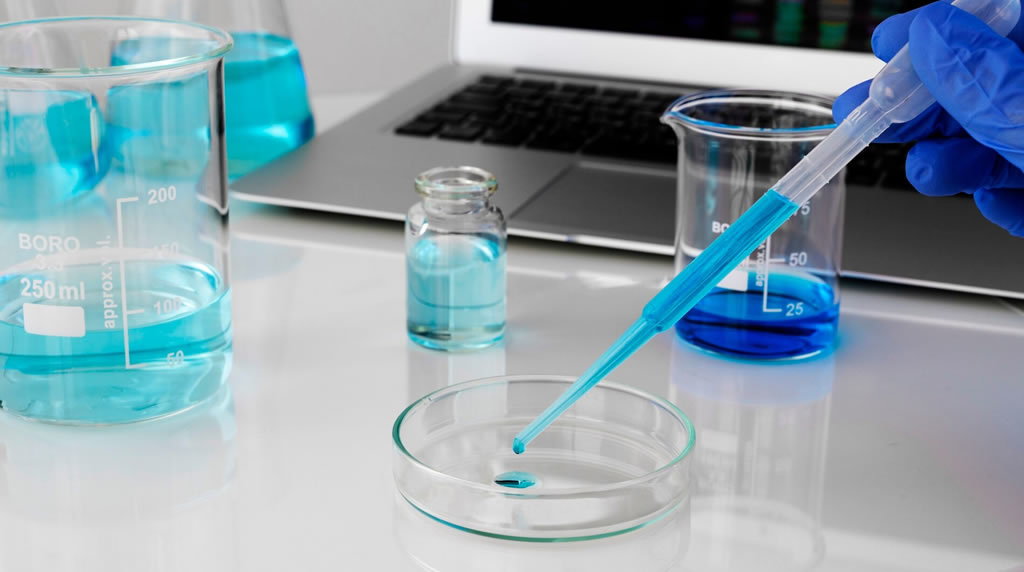
After a flood, homeowners face numerous challenges such as damage, cleanup, and emotional distress. During this time, it’s crucial to ensure the safety of your drinking water. That’s where E. coli testing for drinking water in Manhattan comes into play, providing essential analysis to detect harmful bacteria. This testing process involves collecting water samples and analyzing them in a lab, helping ensure your water is safe and free from contaminants. Prioritizing E. coli testing is vital for protecting your health as you work to restore your home and life.
Floodwaters are rarely just rain. As they move across the landscape, they pick up everything in their path—sewage, agricultural runoff, pesticides, industrial chemicals, and various pathogens. If you rely on a private well, or even if your municipal service lines were submerged or compromised, your water supply could be contaminated. Testing your water after a flood is not just a precautionary measure; it is a critical step in protecting your family’s health.
The Hidden Risks of Post-Flood Water
When a flood occurs, the integrity of your water source can be compromised in several ways. Understanding these risks is the first step toward effective mitigation.
1. Microbiological Contamination
This is the most immediate danger. Floodwaters often carry E. coli, Salmonella, and other harmful bacteria, as well as parasites like Giardia and Cryptosporidium. If your well cap was submerged, there is a high probability that these contaminants have infiltrated your well casing, turning a previously safe source into a health hazard.
2. Chemical Seepage
Floodwaters often transport chemical pollutants. In rural areas, this might include fertilizers, herbicides, and pesticides. In suburban or industrial areas, you may be dealing with petroleum products, solvents, and heavy metals that have leaked from damaged storage tanks or vehicles. These chemicals can seep into the groundwater, potentially contaminating your private well long after the floodwaters have receded.
3. Septic System Damage
If you have a septic system on your property, flood conditions can be catastrophic. Saturated soil prevents the drain field from properly filtering wastewater, and a flooded system can cause sewage to back up into the ground near your well, creating a direct pathway for contamination.
Essential Safety Steps to Take
If you have experienced flooding, follow these steps to ensure your water is safe before you return to using it for drinking or cooking.
Step 1: Assume It Is Contaminated
Until you have received clean results from a lab, treat your water as unsafe. Even if the water looks clear and smells normal, many contaminants are odorless and invisible. Use bottled water for drinking, brushing your teeth, and washing food. If you must use tap water for cleaning, boil it for at least one minute before use.
Step 2: Inspect Your Infrastructure
Before testing, perform a visual inspection of your well and plumbing. Look for:
- Damaged or loose well caps.
- Debris, silt, or mud near the wellhead.
- Damage to the electrical components of your well pump.
- Any signs of backflow in your basement or crawlspace.
Step 3: Seek Professional Help
Do not rely on quick, at-home test strips after a flood. These tools are designed for routine, simple monitoring and are insufficient for identifying the complex range of contaminants potentially present after a flood. You need professional testing services that can provide a comprehensive analysis. Reach out to local professionals who specialize in local water testing to ensure that the samples are collected and analyzed correctly according to environmental standards.
When to Test and What to Request
Timing is everything. Do not test your water while the floodwaters are still surrounding your well, as the results will be invalid and the risk of contamination is ongoing. Wait until the water has fully receded and the ground around the well has had a chance to stabilize.
When you contact a laboratory, be clear about your situation. Request a post-flood panel that includes:
- Total Coliform and E. coli: These are the primary indicators of bacterial contamination.
- Nitrates: Crucial if you are in an agricultural area or near septic systems.
- Heavy Metals and VOCs: If you suspect chemical contamination, you may need a more advanced panel to detect pesticides, solvents, or petroleum byproducts.
If you are unsure which tests are necessary, our water concerns page provides detailed breakdowns of common contaminants and why they matter.
Moving Forward After the Crisis
Receiving clean test results is a major relief, but it’s only the beginning of your recovery. If your water shows signs of contamination, don’t despair. In many cases, a well can be “shock chlorinated” (disinfected) to eliminate bacteria. For chemical contaminants, you may need to install or upgrade a filtration system.
It is also important to maintain a log of your water quality data. If you have had to deal with water issues in the past, it’s beneficial to keep an eye on these parameters annually. You can find more information about maintaining your system and interpreting your results on our FAQ page.
If you need help finding a certified laboratory in your area, use our locations tool to get in touch with local professionals who can guide you through the process of sanitizing and testing your well.
Protecting Your Home’s Future
The aftermath of a flood is overwhelming, but your water safety is a non-negotiable part of your recovery. By taking the time to test your water professionally, you are closing the door on a significant, often invisible, long-term health risk.
Stay safe, be patient with the cleanup process, and rely on experts to verify that your home is truly ready for you and your family to live in comfortably once again.
For more information on handling well water safety after a natural disaster, visit the CDC’s official guidance on well water and flooding.