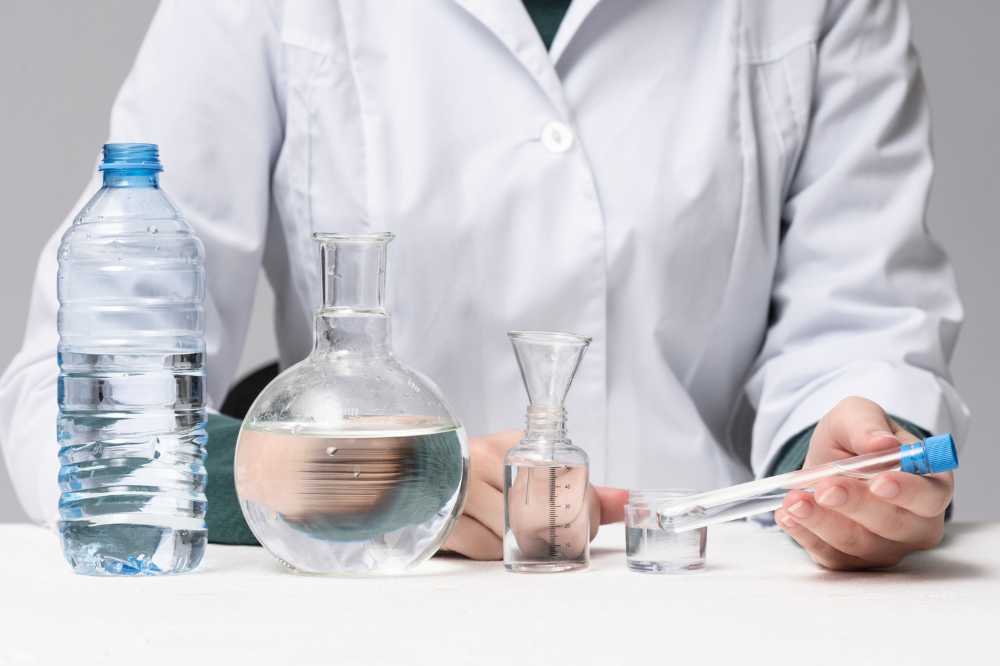
For millions of households, the private well is more than just a water source, it is a symbol of independence. Certified private well water testing in NYC helps well owners fulfill their responsibility by providing laboratory-grade analysis that screens for bacteria, nitrates, heavy metals, and other contaminants that no federal agency is monitoring on their behalf. Unlike municipal water systems, which are overseen by local governments and subjected to strict federal safety mandates, private well owners are solely responsible for the quality of the water they drink, cook with, and bathe in.
Because groundwater can change over time due to weather, land-use shifts, or aging infrastructure, regular monitoring is the only way to ensure your home supply remains safe. Whether you are a new well owner or have been managing your system for years, this checklist will help you navigate the essential steps of keeping your water clean.
The Annual “Must-Do” Baseline
The Environmental Protection Agency (EPA) and health authorities emphasize that consistency is the key to well safety. Even if your water tastes and looks perfectly clear, you should conduct the following tests at least once every year:
- Total Coliform Bacteria: This is the most critical test for any private well. Coliform bacteria are indicators that surface water or sewage may be infiltrating your groundwater, potentially bringing harmful pathogens along with it.
- Nitrates: Particularly important if you live near agricultural areas, golf courses, or have a nearby septic system. High levels of nitrates are a serious health risk, especially for infants and pregnant individuals.
- pH Levels: A measurement of how acidic or basic your water is. Low pH (acidic water) can cause corrosion in your plumbing, which might lead to the leaching of heavy metals like lead and copper.
- Total Dissolved Solids (TDS): This provides an overall look at the mineral content in your water, helping you understand if there have been significant shifts in the chemistry of your water source.
If you are looking for guidance on how to begin, you can start by exploring local water testing options to find a certified lab in your region.
When to Go Beyond the Annual Test
While the baseline tests are essential, they don’t cover everything. You should consider additional, more specific testing if you notice any of the following “red flags”:
- Aesthetic Changes: If your water suddenly has an unpleasant smell (like rotten eggs or gasoline), changes color, or leaves persistent stains on your fixtures, it’s time for a targeted analysis.
- Recent Events: Did you experience heavy flooding, construction on your property, or repairs to your well system? These events can introduce contaminants into the aquifer or damage the integrity of your wellhead.
- Local History: If you live in an area with a history of industrial activity, mining, or known groundwater pollution, you should test for specific contaminants like heavy metals (arsenic, lead), volatile organic compounds (VOCs), or radiological elements (radon, uranium).
- Health Concerns: If anyone in your home suffers from unexplained gastrointestinal illness, it is a clear signal to verify the safety of your water.
A Practical Checklist for Your Next Lab Visit
When you decide to move forward with testing services, the process can feel intimidating. Here is a simple checklist to keep you organized:
- [ ] Identify Your Concerns: Before calling the lab, list any changes in taste, odor, or appearance. Mentioning these specifics helps the lab recommend the right battery of tests.
- [ ] Request a Sterile Collection Kit: Always use the bottles provided by your certified laboratory. These are often treated with preservatives and must be handled carefully to avoid contamination.
- [ ] Follow Sampling Protocols: Some tests require a “first draw” (water that has sat in pipes for 6+ hours), while others require “flushed” water. Follow the lab’s instructions exactly—even a small mistake in collection can lead to inaccurate results.
- [ ] Verify Certification: Ensure that the laboratory is state-certified for the specific contaminants you are testing for. This guarantees that their results are scientifically rigorous and legally defensible.
- [ ] Keep a Logbook: Document the date, the specific tests performed, and the results. Over the years, this data will help you and your local water expert spot trends that could indicate a larger problem with your well’s integrity.
Why Professional Lab Testing Beats DIY Kits
With the convenience of online shopping, it is tempting to pick up a DIY strip test from a local hardware store. While these can be useful for very basic, “in-the-moment” checks, they are not a substitute for professional laboratory analysis.
Professional labs use high-precision instrumentation—such as mass spectrometry—that can detect contaminants at parts-per-billion levels. They are also immune to the “interference” issues that often cause DIY strips to give false positive or negative results. When it comes to your family’s health, relying on certified, high-accuracy data is the safest route. If you have questions about interpreting your reports or what the findings mean for your specific water concerns, our team is happy to provide guidance.
Maintenance: The Silent Partner to Testing
Testing tells you what is in the water, but maintenance prevents problems from occurring in the first place. As part of your annual water safety routine:
- Protect the Wellhead: Ensure the area around your well is clean and free of debris, chemicals, and fertilizers.
- Check the Cap: A broken or missing well cap is an open door for insects, rodents, and contaminated surface water.
- Septic Checkups: If you have a septic system, keep it maintained. Failing systems are a leading cause of nitrate and coliform bacteria contamination in nearby wells.
Final Thoughts
Managing a private well is a journey of stewardship. By performing annual baseline tests and staying vigilant about changes in your water’s quality, you can continue to enjoy the benefits of your own water source with confidence.
If you are ever uncertain about your results or need to find a trusted professional to assist you, feel free to contact our team or check our FAQ section for more information on how to interpret common test findings. Your water is the foundation of your home’s health—keep it protected with regular, professional testing.
For more information on the standards and recommendations regarding private water supplies, you can refer to the EPA’s official guide on protecting your home’s water.