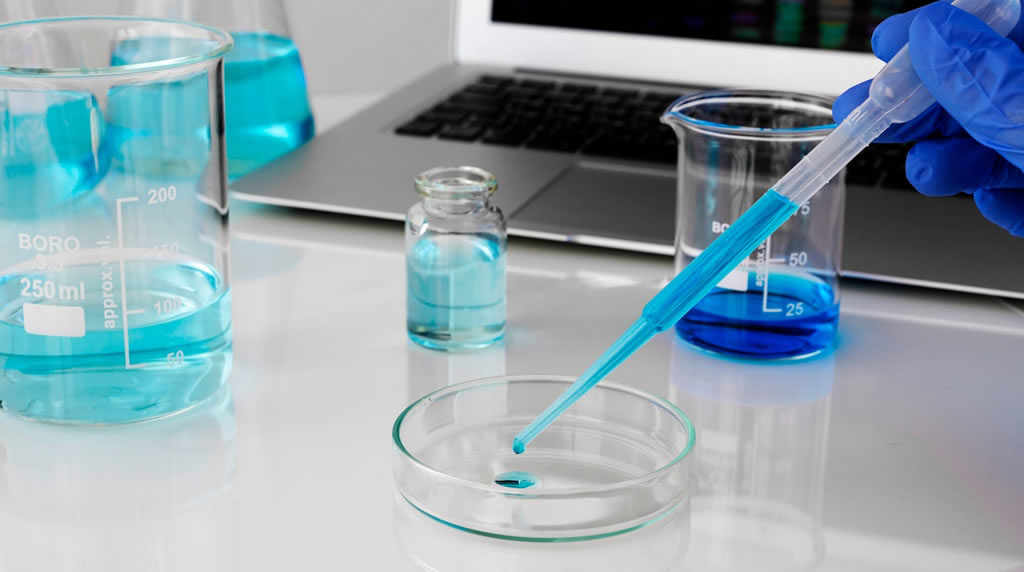
Water is the lifeblood of our homes, yet it remains one of the most invisible elements of our daily infrastructure. Whether you rely on a private well or a municipal water supply, what flows from your tap is rarely just H₂O. NYC drinking water testing services address this reality by collecting water samples directly from your taps and analyzing them in accredited laboratories using advanced techniques such as mass spectrometry and bacterial culturing — identifying contaminants like lead, bacteria, pesticides, and PFAS down to parts per billion with scientific precision. It is a complex solution that picks up minerals, organic matter, and, occasionally, human-made contaminants as it travels through pipes and aquifers.
When you decide to take control of your home’s water quality, the process begins with a professional analysis. But what actually happens behind the scenes? When you send a sample to a water testing lab, you aren’t just getting a simple “safe or unsafe” verdict. You are receiving a detailed chemical and biological fingerprint of your water. Understanding what these labs look for can help you better interpret your results and make informed decisions about your home filtration needs.
The Foundation: Why Testing Matters
Before diving into the specific contaminants, it is helpful to understand the scope of testing. Water quality is not a static state; it changes based on rainfall, seasonal agricultural runoff, aging infrastructure, and even the materials used in your home’s plumbing. This is why local water testing is so crucial—it provides a snapshot of the specific conditions affecting your immediate area.
Professional laboratories follow rigorous protocols to ensure accuracy. They look for a wide spectrum of substances, categorized broadly into physical properties, chemical constituents, and biological contaminants.
1. Microbiological Contaminants: The Invisible Threat
The most immediate health concern for any homeowner is the presence of microorganisms. Pathogens—including bacteria, viruses, and protozoa—can enter water systems through sewage leaks, septic system failures, or animal waste runoff.
Labs typically test for “indicator organisms.” Rather than hunting for every possible pathogen, they check for:
- Total Coliform Bacteria: These are naturally present in the environment and in the digestive tracts of animals. While they don’t always cause disease, their presence suggests that your water system may be vulnerable to outside contamination.
- E. coli: A specific sub-group of coliforms that confirms fecal contamination. If E. coli is detected, it is an urgent indicator that your water supply has been compromised by waste, necessitating immediate treatment or the use of an alternative water source.
Ensuring your water is free from these organisms is the first step in any testing services package, as biological safety is the primary pillar of public health.
2. Inorganic Chemicals and Heavy Metals
If you live in an area with older housing, or if your water travels through significant lengths of distribution piping, inorganic chemicals are a primary concern. Heavy metals can leach into water from pipes, solder, and fixtures.
- Lead and Copper: Lead is a neurotoxin that can leach from aging lead pipes or lead-based solder. Copper, while essential in trace amounts, can cause gastrointestinal distress at high levels.
- Arsenic: Often naturally occurring in groundwater due to the weathering of minerals, arsenic is a well-known carcinogen. Frequent monitoring is especially vital for private well owners in regions with specific geological profiles.
- Nitrates and Nitrites: These are commonly associated with agricultural runoff, lawn fertilizers, and septic tank leakage. High levels are particularly dangerous for infants, as they can interfere with the blood’s ability to carry oxygen.
Because these water concerns can vary significantly based on your geography and house age, testing for them provides peace of mind that your plumbing isn’t contributing toxic elements to your morning coffee or evening shower.
3. Physical and Aesthetic Properties
Sometimes, the water is safe to drink but unpleasant to live with. Physical properties affect the “experience” of your water—its taste, smell, and impact on your appliances.
- Hardness: This is a measure of calcium and magnesium ions. While hard water isn’t necessarily a health hazard, it can leave scale buildup on fixtures, reduce the efficiency of your water heater, and make soaps and detergents less effective.
- pH Levels: The acidity or alkalinity of your water is critical. Water with a low pH (acidic) is highly corrosive, meaning it is more likely to leach metals from your pipes. Water with a high pH can cause scaling and can make disinfectants like chlorine less effective.
- Total Dissolved Solids (TDS): This measures the combined content of all inorganic and organic substances contained in a liquid. High TDS levels often lead to an “off” taste or a salty profile.
4. Disinfection Byproducts and VOCs
For those on municipal water systems, utility providers add disinfectants like chlorine or chloramine to kill bacteria. However, these disinfectants can react with organic matter in the water to create Disinfection Byproducts (DBPs), such as trihalomethanes.
Additionally, labs may test for Volatile Organic Compounds (VOCs), which include chemicals like benzene or solvents. These are often the result of industrial spills or improper disposal of household chemicals that have leached into the groundwater. According to the Environmental Protection Agency (EPA), understanding these secondary contaminants is essential for long-term health, particularly if you rely on a shallow well or live near industrial zones.
How to Get Started
You do not need to be a chemist to manage your water quality. The process is designed to be accessible. If you suspect an issue or simply want to establish a baseline for your home, the first step is identifying the right lab. You can find comprehensive resources and locations that offer certified testing in your community.
When you choose to work with a professional lab, ensure they are certified to perform the specific tests you need. Many homeowners start with a standard “potability” panel that covers the most common health-related contaminants, and then expand to specialized testing if they notice specific issues like staining, odors, or a bitter taste.
Conclusion
Knowing what is in your water changes the way you interact with it. It allows you to move from guesswork to precision. Whether you are installing a specialized filtration system, adjusting a water softener, or simply verifying that your municipal supply is living up to its reports, testing provides the hard data required to take action.
If you are unsure where to begin or have specific questions about your recent report, checking an FAQ resource or reaching out for a consultation can demystify the numbers on your test results. Water quality is an ongoing commitment to your health and the longevity of your home—start by knowing exactly what is coming out of your tap.
For professional assistance with your water quality, contact us today to speak with an expert or visit our blog for more tips on maintaining a healthy home water supply.